
Month: June 2026
2,704 articlesExcise Duty
Excise Duty
CBIC Revises SAED on Diesel Exports to Rs. 14 Per Litre
Income Tax
Income Tax
Top 5 Mistakes Taxpayers Make While Filing Income Tax Return (ITR)
Corporate Law
Corporate Law
Guidelines for Conducting Valuation Under IBC, 2016
Income Tax
Income Tax
ITAT Deletes Capital Gains Addition: Agreement to Sell Alone Does Not Amount to Transfer
Goods and Services Tax
Goods and Services Tax
Audit vs Investigation under GST: Why Distinction Matters More Than Ever
Finance
Finance
Business Valuation For Fund Raising – What Investors Look For Before Investing
Income Tax
Income Tax
Section 54B Exemption on Capital Gains from Transfer of Agricultural Land
Goods and Services Tax
Goods and Services Tax
Overlap of Rule 37 & 38: Correct Method of ITC Reversal to Avoid Duplication
Company Law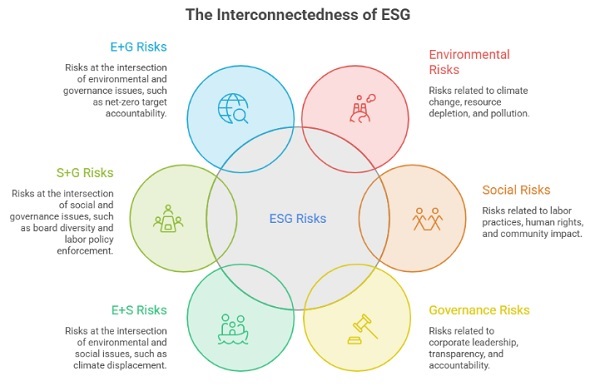
Company Law
ESG: E is Enlightened What About S and G?
Income Tax
Income Tax
ITAT Deletes Section 14A Disallowance Because No Exempt Income Was Earned
Income Tax
Income Tax
Natural Justice Violated as Assessee’s Explanations Were Not Properly Examined Before Reopening
Finance
Finance
IFSCA Relaxes Qualified Jeweller Norms to Boost Jewellery Exports
Custom Duty
Custom Duty
CBIC Ends Mandatory Duplicate Testing of Export Samples Because It Caused Delays
Income Tax
Income Tax

