
Day: April 13, 2026
99 articlesIncome Tax
Income Tax
ITAT Mumbai: Reopening Invalid Without Proper Sanction-Approval by Wrong Authority Vitiates Entire Proceedings
Income Tax
Income Tax
ITAT Mumbai: Interest from Co-Operative Banks Eligible U/s 80P(2)(d)-Consistency Principle Applied
Excise Duty
Excise Duty
Limitation doesn’t apply as appropriation during pendency of appeal is payment of Excise duty under protest
Income Tax
Income Tax
ITAT Mumbai: Reopening Beyond 3 Years Invalid Where Escaped Income below ₹50L-Notice u/s 148 Quashed
Income Tax
Income Tax
Shilpa Shetty Kundra’s ₹12.54 Crore Gift from Husband Lands Before ITAT & What Every Taxpayer Must Know
Goods and Services Tax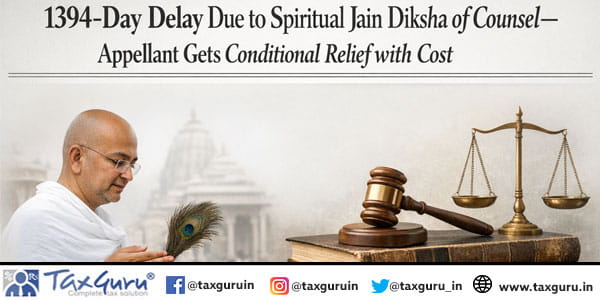
Goods and Services Tax
1394-Day Delay Due to Spiritual Jain Diksha of Counsel – Appellant Gets Conditional Relief with Cost
Income Tax
Income Tax
TDS on Sale of Property by Resident and NRI Sellers
Income Tax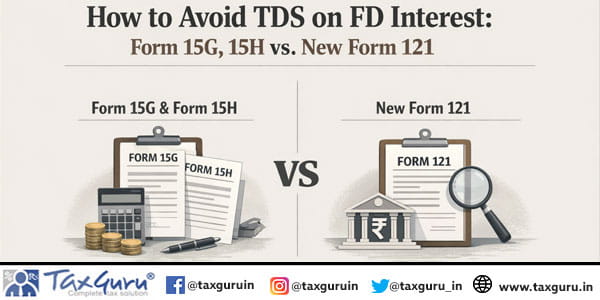
Income Tax
How to Avoid TDS on FD Interest: Form 15G, 15H v/s. New Form 121
Income Tax
Income Tax
ITAT Mumbai: Vague Purpose in Form 10 Can Jeopardize Sec 11(2) Claim-Matter Remanded for Verification
Goods and Services Tax
Goods and Services Tax
Timelines to issue GST orders & notices under Section 73 and 74 for period 2017-18 to 2023-24
Income Tax
Income Tax
ITAT Mumbai: Redevelopment Hardship Compensation is Capital Receipt-Addition Deleted for Double Taxation
Income Tax
Income Tax
ITAT Mumbai: Depreciation on Trademark Allowed-AO Cannot Revisit Claim in Subsequent Years
Company Law
Company Law
No Penalty for Non-Filing as CIRP Shifted Compliance Responsibility to RP: ROC Kolkata
Company Law
Company Law

