
Month: March 2026
2,081 articlesGoods and Services Tax
Goods and Services Tax
GST Assessment Quashed Because Two Orders Were Passed on Same GSTR-2A vs GSTR-3B Issue
Goods and Services Tax
Goods and Services Tax
Delayed GST Appeal Restored as Taxpayer Acted in Good Faith Over ITC Mismatch
Corporate Law
Corporate Law
HC Allows Witness to Refer Complaint Because It Functions Like FIR After Cognizance
Goods and Services Tax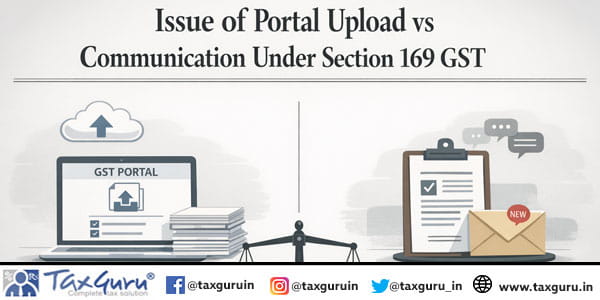
Goods and Services Tax
Issue of Portal Upload vs Communication Under Section 169 GST
Goods and Services Tax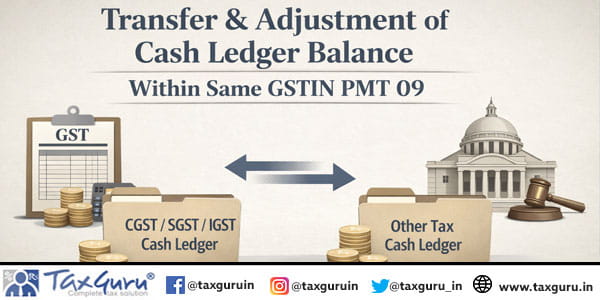
Goods and Services Tax
Transfer & Adjustment of Cash Ledger Balance Within Same GSTIN PMT 09
Corporate Law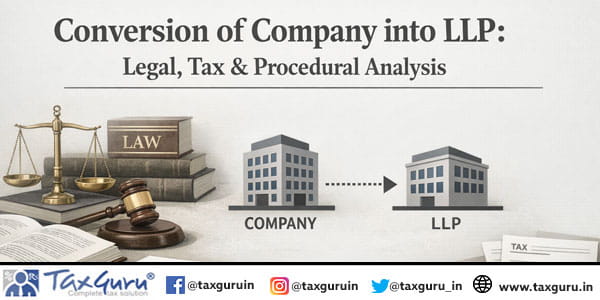
Corporate Law
Conversion of Company into LLP: Legal, Tax & Procedural Analysis
Income Tax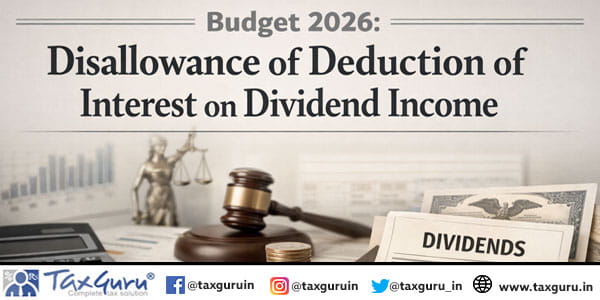
Income Tax
Budget 2026: Disallowance of Deduction of Interest on Dividend Income
Goods and Services Tax
Goods and Services Tax
Bona Fide Recipients Targeted Instead of Defaulting Suppliers u/s 64 of GST
Goods and Services Tax
Goods and Services Tax
Practical Problem: Refund of Accumulated ITC under GST (Inverted Duty Structure)
Custom Duty
Custom Duty

