
#section 271(1)(c)
Log in to FollowLatest section 271(1)(c) updates, provisions, case laws, compliance requirements, tax implications and expert analysis under Income-tax law on TaxGuru.
Income Tax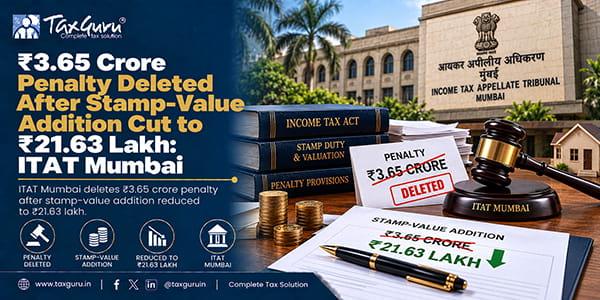
Income Tax
₹3.65 Crore Penalty Deleted After Stamp-Value Addition Cut to ₹21.63 Lakh: ITAT Mumbai
Income Tax
Income Tax
Vague Section 274 Notice Invalidates Section 271(1)(c) Penalty: ITAT Mumbai
Income Tax
Income Tax
Technical Quashing of Reassessment Does Not End Tax Prosecution: P&H HC
Income Tax
Income Tax
Section 271(1)(c) Penalty on Withdrawn Section 35 Donation Deduction Deleted: ITAT Ahmedabad
Income Tax
Income Tax
Penalty Passed Beyond Extended Limitation Under Section 275 Quashed: ITAT Mumbai
Income Tax
Income Tax
Consultant Fraud May Protect Bona Fide Assessee From Penalty: ITAT Bangalore
Income Tax
Income Tax
Prepaid Tax Refund Cannot Be Denied Merely for Non-Filing of Original Return: Delhi HC
Income Tax
Income Tax
Penalty Deleted as Section 271(1)(c) Notice Failed to Specify Charge: ITAT Delhi
Income Tax
Income Tax
ITAT Delhi Remands Apache Labs Section 10AA Claim for De Novo Verification
Income Tax
Income Tax
Transfer Pricing: ITAT Excludes Incomparable BPO Entities & Allows Working Capital Adjustment
Income Tax
Income Tax
Karnataka HC Quashes Reassessment for Notices Sent to Secondary Email and Old Address
Income Tax
Income Tax
Bank-Repaid Loan Cannot Be Deemed Accommodation Entry Solely on Third-Party Statement: ITAT Ahmedabad
Income Tax
Income Tax
ITAT Nagpur Quashes Section 271(1)(c) Penalty for Limitation Delay
Income Tax
Income Tax
CIT(A) Cannot Ignore Reopening Jurisdiction and Decide Wrong Grounds: ITAT Kolkata
Explore the latest section 271(1)(c) updates on TaxGuru, including relevant Income-tax Act provisions, rules, notifications, circulars, judicial decisions and compliance guidance. The coverage highlights important tax positions, procedural requirements, assessments, deductions, penalties and litigation developments to help taxpayers and professionals understand the practical implications of changes in income-tax law.

