
#Section 250
Log in to FollowLatest Section 250 updates, provisions, case laws, compliance requirements, tax implications and expert analysis under Income-tax law on TaxGuru.
Income Tax
Income Tax
Subsequent Section 143(1) Intimation Void After Scrutiny Commences: ITAT Bangalore
Income Tax
Income Tax
ITAT Rajkot Deletes GP Addition Without Section 145(3) Rejection and Limited Scrutiny Conversion
Income Tax
Income Tax
Section 28 Interest Part of Compensation, Eligible for Section 10(37) Exemption: ITAT Rajkot
Income Tax
Income Tax
ITAT Ahmedabad Grants Section 10(10B) Exemption for BSNL VRS Compensation
Income Tax
Income Tax
ITAT Chandigarh Condones 150-Day Delay Subject to Plantation of Up to 500 Trees
Income Tax
Income Tax
Section 68 Inapplicable Without Credit Entry in Assessee’s Books: ITAT Ahmedabad
Income Tax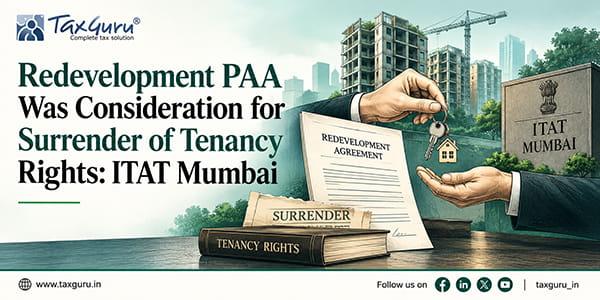
Income Tax
Redevelopment PAA Was Consideration for Surrender of Tenancy Rights: ITAT Mumbai
Income Tax
Income Tax
Later Registration Cannot Trigger Section 56(2)(vii)(b) Retrospectively: ITAT Mumbai
Income Tax
Income Tax
Bogus Chapter VI-A Deductions Sustain Section 271(1)(c) Penalty: ITAT Pune
Income Tax
Income Tax
Form 10-IC Continues for Subsequent Years Under Section 115BAA: ITAT Indore
Income Tax
Income Tax
ITAT Amritsar Deletes ₹3.97 Crore Addition Based on Husband’s Document
Income Tax
Income Tax
Tenancy Rights Transfer Taxable, Mumbai ITAT Remands FMV Determination to AO
Income Tax
Income Tax
ITAT Pune Holds Vaki Land a Capital Asset, Denies Section 54B Deduction
Income Tax
Income Tax
ITAT Rajkot Rejects Section 69A Addition Based on Suspicion of Inflated Jewellery Sales
Explore the latest Section 250 updates on TaxGuru, including relevant Income-tax Act provisions, rules, notifications, circulars, judicial decisions and compliance guidance. The coverage highlights important tax positions, procedural requirements, assessments, deductions, penalties and litigation developments to help taxpayers and professionals understand the practical implications of changes in income-tax law.

