
#Section 144
Log in to FollowLatest Section 144 updates, provisions, case laws, compliance requirements, tax implications and expert analysis under Income-tax law on TaxGuru.
Income Tax
Income Tax
ITAT Delhi Remands ₹75.33 Lakh Section 69A Addition After Finding CIT(A)’s Order Cryptic
Income Tax
Income Tax
Unproved Opening Cash Balance Cannot Support Cash Deposit Explanation: ITAT Amritsar
Income Tax
Income Tax
Karnataka HC Quashes Ex Parte Reassessment and Restores Proceedings for Fresh Response
Income Tax
Income Tax
Same Cash Deposits Cannot Be Taxed in Firm and Proprietor: ITAT Surat
Income Tax
Income Tax
30% Ad Hoc Purchase Disallowance Without Evidence Deleted by ITAT Agra
Income Tax
Income Tax
Assessee’s Non-Compliance Cannot Cure Section 144B Violation: ITAT Mumbai
Income Tax
Income Tax
Capital Gains JDA Dispute Governed by C.S. Atwal: Punjab & Haryana HC
Income Tax
Income Tax
ITAT Delhi Upholds Setting Aside of Assessment for Section 144C Draft Order Failure
Income Tax
Income Tax
Delay Condoned After Notices Were Sent to Deceased CA’s Email: ITAT Indore
Income Tax
Income Tax
ITAT Rajkot Quashes Reassessment Where Joint Property Investment Was Not Properly Attributed
Income Tax
Income Tax
P&H HC Quashes Time-Barred Assessment for Superior Officer Intervention
Income Tax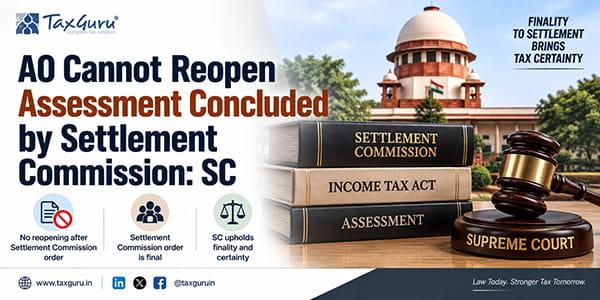
Income Tax
AO Cannot Reopen Assessment Concluded by Settlement Commission: SC
Income Tax
Income Tax
Karnataka HC Quashes Reassessment for Notices Sent to Secondary Email and Old Address
Income Tax
Income Tax
Chennai ITAT Restores ₹1.47 Crore Cash Deposit Dispute for Fresh Examination
Explore the latest Section 144 updates on TaxGuru, including relevant Income-tax Act provisions, rules, notifications, circulars, judicial decisions and compliance guidance. The coverage highlights important tax positions, procedural requirements, assessments, deductions, penalties and litigation developments to help taxpayers and professionals understand the practical implications of changes in income-tax law.

