
Courts: All CESTAT
Read latest CESTAT judgments and orders on Customs, Central Excise and Service Tax, including classification, valuation, CENVAT credit, refunds and demands.
Factory Setup Services Eligible for CENVAT Credit Unless Specifically Excluded: CESTAT Ahmedabad

Nitrous Oxide I.P. Eligible for Excise Concession Without End-Use Condition: CESTAT Chennai
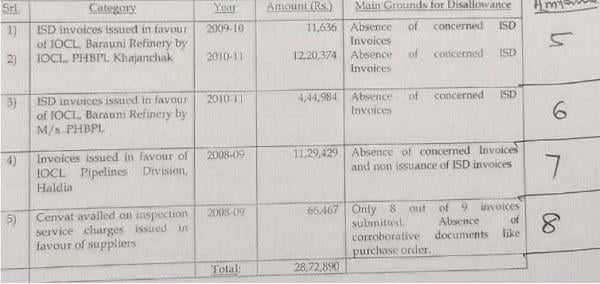
CENVAT Credit Denial Requires Fresh Verification of Supporting Documents: CESTAT Kolkata

CESTAT Upholds 15% BCD on Laptop Display Panels Under CTH 8524
CESTAT Quashes Customs Demand Issued Before Finalisation of Provisional Assessment
CESTAT Allows Advance Authorisation Shipping Bills Conversion to Duty Drawback Beyond 3 Months

Export Duty Recovery Premature Before Provisional Assessment Finalisation: CESTAT Chandigarh
CESTAT Dismisses Customs Appeal Over MEIS Shipping Bill Amendment on Monetary Limit
CESTAT Delhi Allows Appeal on Limitation in Sub-Contractor Service Tax Dispute
CESTAT Kolkata Quashes ₹34.63 Lakh Demand for No Pre-SCN Consultation
CESTAT Kolkata: Form 26AS Difference Cannot Sustain Extended Service Tax Demand

Initial Sale of CPP Electricity Does Not Deny CENVAT Credit: CESTAT Mumbai

CESTAT Sets Aside ₹1.38 Crore Service Tax Demands on Railway Siding

CESTAT Allahabad Sets Aside Service Tax Demand, Holds Transportation as GTA Service
All CESTAT brings together judgments and orders of the Customs, Excise and Service Tax Appellate Tribunal from benches across India. Decisions cover Customs, Central Excise and Service Tax disputes involving classification, valuation, exemptions, CENVAT credit, refunds, demands, limitation, penalties, confiscation and other indirect-tax matters. Importers, exporters, manufacturers, businesses, advocates and indirect-tax professionals can use this consolidated TaxGuru archive to research CESTAT precedents across benches. Individual CESTAT bench categories are also available for bench-specific decisions.

