
Courts: All CESTAT
Read latest CESTAT judgments and orders on Customs, Central Excise and Service Tax, including classification, valuation, CENVAT credit, refunds and demands.
CESTAT Chennai: Unbilled Revenue Not Taxable Before Receipt Under Rule 6 of Service Tax Rules

CESTAT Chandigarh Sets Aside Service Tax Demand on Franchise Service and Vague SCN
CESTAT Chandigarh Sets Aside ₹1.04 Crore Service Tax Demand Based on ST-3 & 26AS/ITR Mismatch
CESTAT Chandigarh Sets Aside Service Tax on Cheque Bouncing & Foreclosure Charges
HIMUDA Service Tax Demand Partly Set Aside; CESTAT Chandigarh Remands Commercial Construction Demand

Smartra Immobiliser Classifiable Under CTH 8708 as Vehicle Security Accessory: CESTAT Bangalore

CESTAT Delhi Sets Aside Re-classification of Aluminium Goods Under CTH 8708

Philips LCD Monitors Classifiable Under 8528 52 00: CESTAT Kolkata
Interest on Delayed IGST on Imports Cannot Be Refunded: CESTAT Delhi
CESTAT Ahmedabad Sets Aside IGST Demand on Advance Authorisation Imports
Interest on Delayed IGST Payment Automatic, CESTAT Delhi Rejects Refund Claim
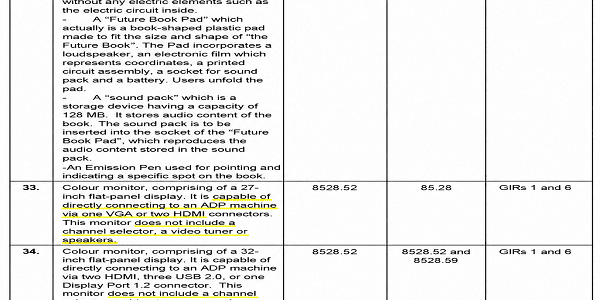
Medical Monitors Classifiable Under 8528 52 00: CESTAT Mumbai
CESTAT Delhi Rejects Customs Valuation Enhancement Based on Unreliable NIDB Data
CESTAT Mumbai Sets Aside Customs Valuation Enhancement Based on NIDB Data
All CESTAT brings together judgments and orders of the Customs, Excise and Service Tax Appellate Tribunal from benches across India. Decisions cover Customs, Central Excise and Service Tax disputes involving classification, valuation, exemptions, CENVAT credit, refunds, demands, limitation, penalties, confiscation and other indirect-tax matters. Importers, exporters, manufacturers, businesses, advocates and indirect-tax professionals can use this consolidated TaxGuru archive to research CESTAT precedents across benches. Individual CESTAT bench categories are also available for bench-specific decisions.

