
Courts: All CESTAT
Read latest CESTAT judgments and orders on Customs, Central Excise and Service Tax, including classification, valuation, CENVAT credit, refunds and demands.

CHA Cannot Be Penalised for Importer’s Misdeclaration Without Corroborative Evidence: CESTAT Kolkata
CESTAT Kolkata Quashes Customs Section 112(a) Penalty After Principal Import Proceedings Fail
CESTAT Allows ₹2.42 Crore Reverse Charge CENVAT Refund, Orders Re-computation

CESTAT Kolkata Upholds Royalty Duty for Normal Period, Sets Aside Extended Demand and SED Duty

CESTAT Hyderabad Sets Aside Service Tax on Residential Construction for Personal Use

RMC Transportation Is GTA Service, Not Tangible Goods Supply: CESTAT Ahmedabad
CESTAT Kolkata Sets Aside Service Tax Demand on Railway Siding Construction
CESTAT Allows Service Tax Exemption for Private Railway Infrastructure Works
CESTAT Chennai Rejects Lauric Acid Classification Claim Under Tariff Item 29157090
Mere Invoice Description Cannot Convert Rule 6(3) Reimbursement Into Excise Duty: CESTAT Hyderabad
Mere Third-Party Income Tax Data Cannot Justify Extended Limitation: CESTAT Chandigarh
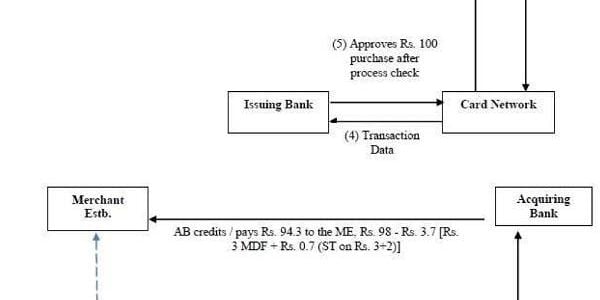
Interchange Fee Not Separately Taxable When Service Tax Paid on MDR: CESTAT Mumbai
SEZ Service Tax Exemption Cannot Be Denied for Missing Form A-2: CESTAT Hyderabad

ECB Support to Singapore Head Office Not Intermediary Service: CESTAT Mumbai
All CESTAT brings together judgments and orders of the Customs, Excise and Service Tax Appellate Tribunal from benches across India. Decisions cover Customs, Central Excise and Service Tax disputes involving classification, valuation, exemptions, CENVAT credit, refunds, demands, limitation, penalties, confiscation and other indirect-tax matters. Importers, exporters, manufacturers, businesses, advocates and indirect-tax professionals can use this consolidated TaxGuru archive to research CESTAT precedents across benches. Individual CESTAT bench categories are also available for bench-specific decisions.

