
Courts: All CESTAT
Read latest CESTAT judgments and orders on Customs, Central Excise and Service Tax, including classification, valuation, CENVAT credit, refunds and demands.

Transponder Services from Foreign Satellite Providers Not Taxable as BSS: CESTAT Mumbai

CESTAT Hyderabad Excludes Reimbursed Wages from Taxable Value in Manpower Supply Service
CESTAT Allows Full Interest on Delayed Pre-Deposit Refund Despite Assessee’s Five-Year Delay

CESTAT Kolkata Sets Aside Section 78 Penalty on Bona Fide Service Tax Non-Payment
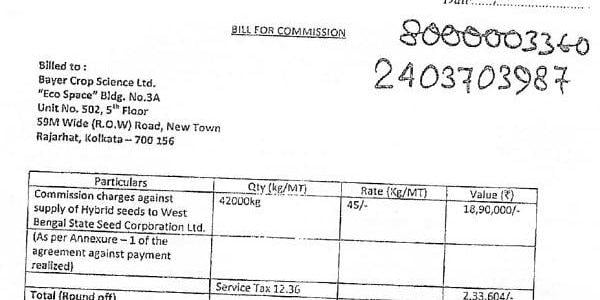
CESTAT Kolkata Orders Service Tax Refund for Agricultural Seed Sale, Rejects Unjust Enrichment Objection
CESTAT New Delhi Rejects Extended Limitation Amid Divergent Views on Sub-Contractor Tax Liability

CESTAT Allows CENVAT Refund of Service Tax Paid Under Reverse Charge

MADA Market Fee Includible in Coal’s Assessable Value: CESTAT Kolkata
CESTAT Kolkata Sets Aside Delayed Coal Duty Demands, Sustains Royalty Liability
CESTAT Kolkata sets aside 20 delayed coal duty demands; royalty upheld, SED quashed

CESTAT Delhi Sets Aside Service Tax Demands on Penalties, Notice Pay & Liquidated Damages

CESTAT Bangalore Rejects CENVAT Reversal on Mutual Fund Investments and Notice Pay

CESTAT Allahabad Sets Aside Service Tax Demand on Salary Recovery from Employees
CESTAT Bangalore Allows CENVAT Credit on Fly Ash Pond and Transportation Services
All CESTAT brings together judgments and orders of the Customs, Excise and Service Tax Appellate Tribunal from benches across India. Decisions cover Customs, Central Excise and Service Tax disputes involving classification, valuation, exemptions, CENVAT credit, refunds, demands, limitation, penalties, confiscation and other indirect-tax matters. Importers, exporters, manufacturers, businesses, advocates and indirect-tax professionals can use this consolidated TaxGuru archive to research CESTAT precedents across benches. Individual CESTAT bench categories are also available for bench-specific decisions.

