A new mandate requires scroll generation within 72 hours for key export schemes. This ensures faster benefit realization and improves exporters’ liquidity.
While HSN mirroring works for goods, it creates classification errors in services. The key takeaway is that service classification depends on nature and context of supply.
The continued use of old Form 13 instead of Form 128 reflects system lag. The issue underscores the need for synchronization between law and digital compliance tools.
The shift to the new tax regime requires ERP systems to handle dual compliance logic. Businesses must upgrade systems to avoid errors and ensure seamless compliance.
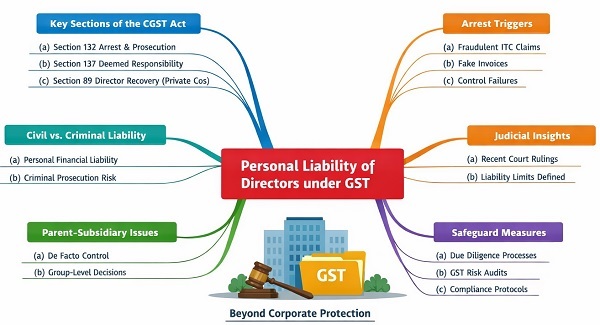
Under the CGST Act, executives responsible for company operations may face prosecution unless they prove due diligence. Corporate personality no longer provides absolute protection.
The sharp reduction in RoDTEP rates under Notification No. 60/2025-26 directly impacts exporter margins and ERP accruals. Finance teams must update systems, reassess pricing, and protect profitability without delay.
DGFT’s sudden reduction in RoDTEP rates reduces FOB margins by 1–2%, compelling exporters to reassess pricing and cost strategies immediately.
The proposed Form 26 and Draft Rule 46(8) require financial data servers to be physically located in India and updated daily, tightening compliance obligations.
The Draft Income-tax Rules, 2026 require salaried taxpayers to disclose their relationship with landlords, enabling enhanced scrutiny of family-based HRA arrangements.
The draft rules revamp perquisite valuation and allowances, raising car-related taxes while expanding relief for education, HRA, and small perks.