
Month: June 2026
2,704 articlesGoods and Services Tax
Goods and Services Tax
Telangana High Court Permits GST Appeal Against Assessment Order
Company Law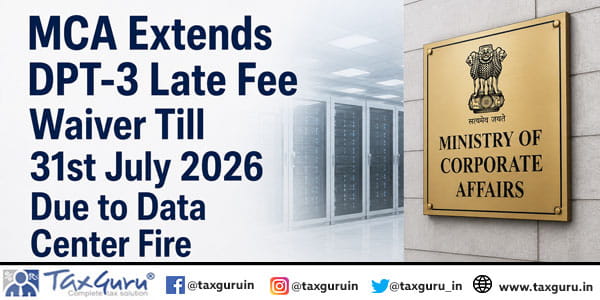
Company Law
MCA Extends DPT-3 Late Fee Waiver Till 31st July 2026 Due to Data Center Fire
Goods and Services Tax
Goods and Services Tax
GST Appeal Restored as Authority Ignored Assessee’s Reply on Delay
Income Tax
Income Tax
Advance Tax Collections Grow 15.30% due to Higher Corporate Tax Payments
SEBI
SEBI
SEBI Proposes Review of Margin Trading Facility Framework
Finance
Finance
Cyprus as a Holding and Trading Base: 2026 Setup Essentials
Income Tax
Income Tax
Form 3CD Reporting Error Not Sufficient to Deny Bonus Deduction: ITAT Bangalore
Goods and Services Tax
Goods and Services Tax
Gauhati HC Allows GST Registration Restoration as Taxpayer Offered to File Pending Returns
Custom Duty
Custom Duty
CESTAT Allows Customs Exemption as Export-Reimport Link Was Properly Established
Service Tax
Service Tax
VCES Declaration Cannot Be Rejected Due to Time-Barred SCN: CESTAT Chennai
Custom Duty
Custom Duty
Mobile Phone Importer Entitled to 1% CVD Benefit Despite CENVAT Credit Condition
Income Tax
Income Tax
ITAT Remands Cash Deposit Addition as Documentary Evidence Was Not Examined
Income Tax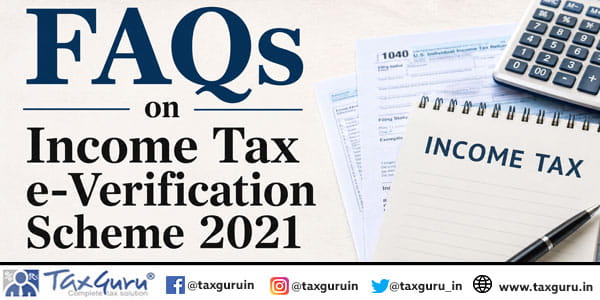
Income Tax
FAQs on Income Tax e-Verification Scheme 2021
Income Tax
Income Tax

