
Month: June 2026
2,704 articlesIncome Tax
Income Tax
Supreme Court Drew Tax-Fee Line Due to Quid Pro Quo
Company Law
Company Law
ESOPs in Private Companies: Legal, Taxation and Accounting
Fema / RBI
Fema / RBI
RBI Amends FEMA Rules Due to Revised Payment and Reporting Norms for NRIs and OCIs
Custom Duty
Custom Duty
CBIC Issues Customs Instruction as MeitY Expanded Compulsory Registration Coverage to Standalone Hard Disk Drives
Custom Duty
Custom Duty
CBIC Issues Highly Specialized Equipmen Exemption Implementation Guidelines
Goods and Services Tax
Goods and Services Tax
Format of Certificate of Non-Availment of ITC by Recipient of Goods
Income Tax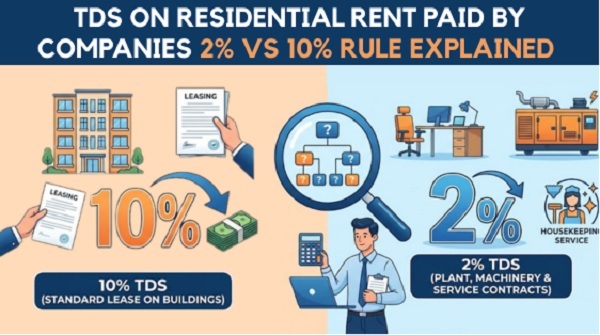
Income Tax
TDS on Residential Rent paid by companies : 2% vs 10% rule
Income Tax
Income Tax
ITAT Upholds Section 154 Rectification as Payments from Accumulated Funds to Registered Trusts Escaped Assessment
Goods and Services Tax
Goods and Services Tax
Representation Against GST Action on Bona Fide Buyers in Karnataka
Goods and Services Tax
Goods and Services Tax
Telangana HC Sets Aside GST Assessment Over Multiple SCNs for Same Period
Goods and Services Tax
Goods and Services Tax
Telangana HC Restores GST Appeal Rejected Over Pre-Deposit Technicality
Goods and Services Tax
Goods and Services Tax
Telangana HC Allows Delayed GST Appeal After Bank Account Attachment
Goods and Services Tax
Goods and Services Tax
Executive Summary – GSTAT Minutes of Meeting dated 10 June 2026
Income Tax
Income Tax

