
Month: March 2026
2,081 articlesCompany Law
Company Law
ROC Waives Penalty as Financial Statements Were Filed Before Adjudication Proceedings
Company Law
Company Law
No Penalty for 199-Day Delay in Annual Return Filing as Default Was Rectified Before Notice
Company Law
Company Law
ROC Drops Penalty as Section 92 Annual Return Was Filed Before Adjudication
Company Law
Company Law
No Penalty for 930-Day Delay in Annual Return Filing as Default Was Rectified Before Notice
Company Law
Company Law
ROC Imposes Penalty for Late Filing of MGT-14 Due to 125-Day Delay in Resolution Submission
Company Law
Company Law
No Penalty for Delayed Annual Return as Company Filed MGT-7A Before Adjudication Notice
Company Law
Company Law
ROC Waives Penalty for Delay in Filing Financial Statements Due to Prior Rectification
Company Law
Company Law
ROC Waives Penalty for Late MGT-7A Filing Since Company Voluntarily Rectified Default
Goods and Services Tax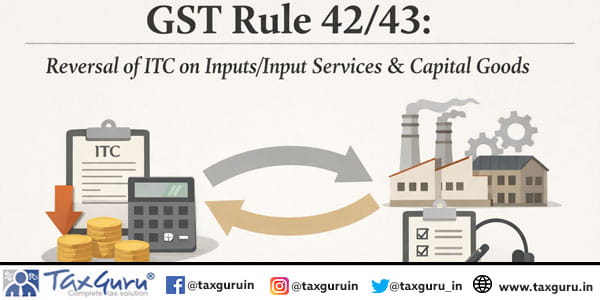
Goods and Services Tax
GST Rule 42/43: Reversal of ITC on Inputs/Input Services & Capital Goods
Company Law
Company Law

