SEBI clarifies that physical security creation alone is insufficient for demat assets. Trustees must ensure depository-level registration to validate charges and protect investors.
The issue was whether approval under Section 151 granted without reasons is valid. The Tribunal held mechanical approval invalid, rendering the reassessment void and unsustainable.
The issue was updating TDS reporting under the new tax framework. CBDT introduced standardized section codes to streamline compliance and improve accuracy in TDS filings.
The issue was whether duty drawback demand can be raised on persons other than the exporter. CESTAT held that only the “person chargeable,” i.e., the exporter, can be targeted under Section 11A.
The Tribunal found that the AO wrongly taxed an investment in an incorrect assessment year. Evidence showed the purchase occurred earlier than the year under consideration. The decision highlights the importance of correct year-wise taxation.
The issue was whether cash deposits from business sales could be treated as unexplained income under Section 68. ITAT held that recorded cash sales forming part of turnover cannot be taxed as unexplained credits.
New rules allow automatic investment for holdings below 10% without control. The key takeaway is eased entry for global funds with limited exposure.
Section 54 applies only to refunds of legally recognized tax, not all payments made to the Government. The ruling highlights the need to first determine whether the amount qualifies as “tax.”
The ITAT held that issuing a demand notice and penalty along with a draft order makes it a final order. Non-compliance with Section 144C rendered the assessment invalid.
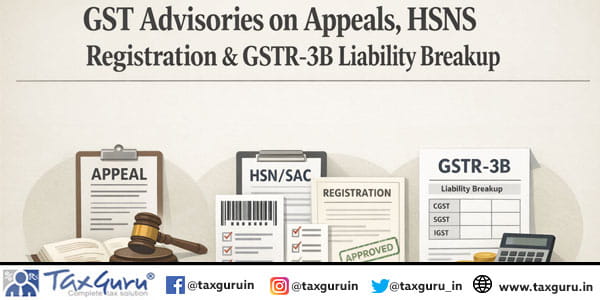
The issue concerns procedural requirements for filing GST appeals. The instructions mandate document submission and pre-deposit, ensuring proper compliance and avoiding defects.