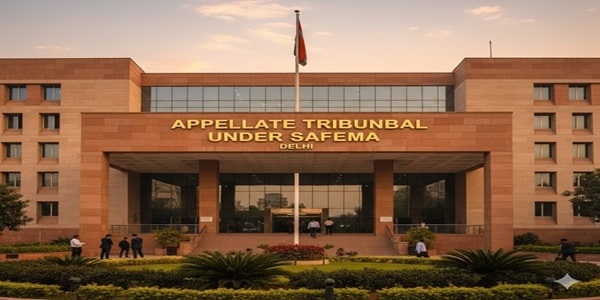
The Tribunal found no evidence linking the appellant to receipt of proceeds of crime under PMLA. It set aside the attachment, holding that mere suspicion without proof cannot justify action.
The Tribunal confirmed liability of directors under Section 42 based on their role in managing the company. It found no error in holding them responsible. Key takeaway: managerial control establishes accountability.
Investments made by a foreign company could not be attributed to a non-resident individual shareholder without lifting the corporate veil. AO could not tax these investments in the assessee’s hands without proving the funds were routed personally by him.
The Tribunal upheld FERA violations involving unauthorized foreign exchange transfers through hawala channels. However, considering delay and circumstances, it reduced the penalty significantly.
The authority penalized the company for filing incorrect AGM details in Form AOC-4 XBRL. It held that even clerical errors violate statutory requirements. The ruling stresses accuracy in corporate filings.
The authority penalized the company for not identifying SBOs despite clear evidence of control and influence. It held that such identification is mandatory under Section 90. The ruling reinforces transparency in ownership structures.
The authority penalized the company for not appointing a Secretarial Auditor despite meeting statutory thresholds. It held that compliance under Section 204 is mandatory. The ruling reinforces strict corporate governance obligations.
The authority penalized the company for using funds before allotment and filing statutory returns. It held that Section 42(4) strictly prohibits such utilization. The ruling reinforces compliance in private placements.
The authority penalized the company for failing to transfer unspent CSR funds within the statutory deadline. It held that delayed compliance still attracts penalties. The ruling emphasizes strict timelines under CSR provisions.
The issue involved failure to disclose Director Identification Numbers in financial statements. The authority held that such omission violates Section 158 and attracts penalty.