The issue concerned valuation of royalty for bundled services. ITAT held that faulty comparables vitiated the CUP analysis and ordered fresh benchmarking.
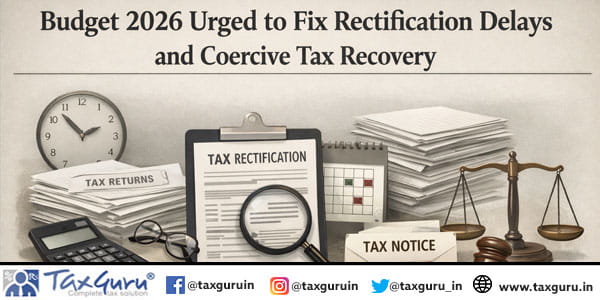
The issue concerns prolonged rectification and recovery pressures. The proposal seeks strict timelines, deemed approvals, and automatic stay of demands.
The issue was whether revision could be invoked during a pending appeal. ITAT held that PCIT lacks jurisdiction once the matter is before CIT(A).
The issue was whether reassessment initiated by the Jurisdictional AO was valid. The Tribunal held the notice invalid as it violated mandatory faceless assessment procedures, rendering the reassessment void.
The issue was misuse of arrest powers against genuine buyers. Courts have held that coercive arrests for supplier defaults violate due process and must be restrained.
The tribunal held that where the Assessing Officer conducted exhaustive enquiries and applied his mind in a 153C assessment, revision under section 263 is invalid. A mere change of opinion cannot justify reopening a concluded assessment.
The Tribunal held that interest under Section 28 is part of compensation and not taxable as other income. A reopening based on such misinterpretation was quashed for lack of valid belief.
The Tribunal held that Section 54B requires purchase by the assessee himself. Investment in agricultural land in the wife’s name does not qualify for deduction.
The Court ruled that filing GSTR-3B returns and paying tax nullifies best judgment assessment orders under Section 62. Interest liability for delayed payment, however, was left intact.
The Tribunal distinguished cases of jurisdictional defect and upheld the assessment where the initial notice was lawfully issued. The key takeaway is continuity of valid scrutiny proceedings despite AO change.