
Type: Judiciary
Read latest judgments, orders and case laws from Supreme Court, High Courts, tribunals and appellate authorities on tax, corporate and commercial laws.

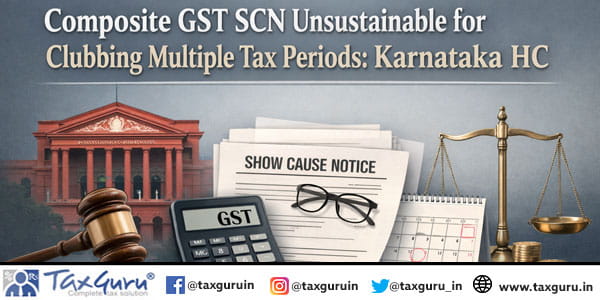
Composite GST SCN Unsustainable for Clubbing Multiple Tax Periods: Karnataka HC



SC Grants Conditional Relief as Investigation in ₹74 Crore GST Fraud Case Pending

Rajasthan HC Rejected Regular Bail in Case of GST Evasion via Massive Fake Firm Network


AAAR Sets Aside GST Advance Ruling as Non-Maintainable Due to Lack of Documents
Architectural Consultancy Exempt Because It Qualifies as Pure Service to Municipality

No ITC Pass-Through Required as Project Commenced Entirely Post-GST: GSTAT
Anti-Profiteering Proceedings Closed Because Full ITC Benefit Passed to Buyers: GSTAT

MVAT Refund Cannot Be Adjusted Against Future Period Dues Settled Under Amnesty: Bombay HC
Subsidiary Not Agent of HO; GST Refund Allowed on Services to Foreign HO: Bombay HC
Judiciary is TaxGuru’s extensive collection of judgments, orders and case-law analysis concerning taxation, corporate, commercial and regulatory laws. The archive includes decisions of the Supreme Court, High Courts, ITAT, CESTAT, GST appellate forums, NCLT, NCLAT and other judicial or quasi-judicial authorities covered by TaxGuru. Readers can research decisions involving Income Tax, GST, Customs, Company Law, insolvency, FEMA, SEBI and other legal subjects. Chartered Accountants, advocates, tax professionals, companies and researchers can use this category to follow judicial developments, locate relevant precedents and understand important legal principles emerging from courts and tribunals.

