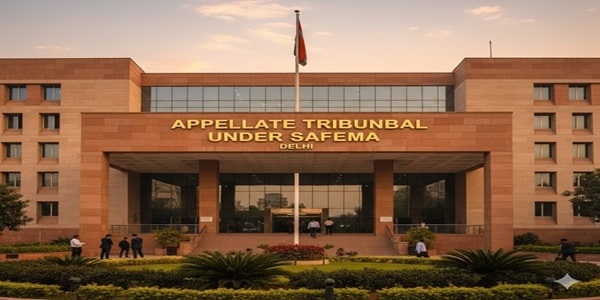
The core issue was whether the Revenue could make a Section 68 addition when the same share investors and identical facts were previously validated by the ITAT in earlier years. The Delhi ITAT upheld the principle of judicial consistency, confirming the deletion of the full addition and concluding that without new evidence, the genuineness of the share application money stands proven.
ITAT Kolkata held that mere non-filing of income tax returns by suppliers or non-response to notices cannot make an assessee’s expenses bogus. Proper verification of invoices, ledgers, payments, and work done is mandatory before disallowing purchases or subcontract expenses.
The ITAT remanded the assessment for an individuals commission income, ruling that the Assessing Officer (AO) must first verify if the income was already offered to tax by the company of which the assessee was a Director. The key takeaway is the prohibition of double taxation on the same income, directing the AO to delete the addition if the company has paid the tax.
This ruling addresses a massive tax demand raised by CPC under Section 143(1) based solely on a clerical error in the original Form 3CD. The ITAT set aside the orders, holding that natural justice mandates the assessee be heard and the correct audit report considered before imposing such a significant liability.
The Delhi ITAT ruled that a tax addition based on a vague name in uncorroborated loose papers is invalid without direct evidence linking it to the assessee. The decision emphasizes that suspicion from such dumb documents cannot replace concrete proof in tax assessments.
The Delhi High Court recalled its previous orders in four GST cancellation petitions after discovering the SCNs and petitioners’ ID documents (Aadhaar) were forged, triggering a high-level probe into the fraudulent use of the judicial process.
Allahabad High Court invalidates seizure and penalty under UPGST, ruling that e-way bill notifications were rescinded and goods transport was lawful.
Delhi High Court declines writ relief in ITC fraud case, directing petitioners to approach appellate authority under Section 107 of the CGST Act.
The Allahabad High Court dismissed a challenge to a GST Show Cause Notice (DRC-01) arguing it was premature. The Court held the error was hyper-technical since the petitioner disputed the entire liability, distinguishing the Agrometal precedent.
The Delhi High Court holds that the challenge to GST notifications extending time limits for Section 73 adjudication orders must await the Supreme Court’s ruling on the validity of Section 168A extensions, noting conflicting High Court judgments.