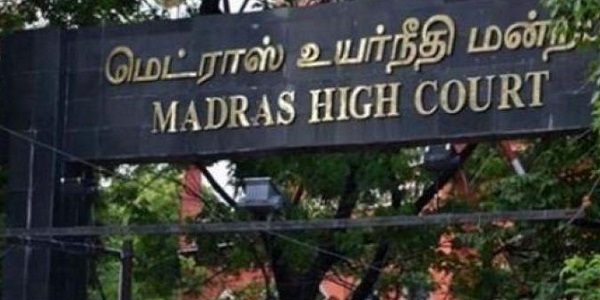
Peter Ramaswamy Vs Assistant Commissioner (Circle) (Madras High Court)
In a recent ruling, the Madras High Court addressed the case of Peter Ramaswamy, a stunt choreographer whose GST registration was cancelled abruptly.
Peter Ramaswamy, in his petition, challenged the cancellation of his GST registration, citing that he had been diligently filing GST returns until December 2022. He claimed that due to a period of inactivity in his business, he was unable to file returns thereafter, leading to the cancellation of his registration. His plea was supported by legal arguments and precedent, notably referencing the case of Suguna Cutpiece v. The Appellate Deputy Commissioner (ST) (GST).
The court, after hearing both parties, acknowledged Ramaswamy’s compliance history and the circumstances leading to the cancellation. It directed Ramaswamy to settle outstanding tax dues and file all pending returns within 45 days. Importantly, the court specified that any unutilized Input Tax Credit (ITC) could not be adjusted against tax dues until approved by the tax authorities.
Furthermore, the judgment highlighted the necessity for Ramaswamy to accurately declare future tax liabilities and utilize ITC only upon approval. The court’s directives extended to instructing GST Network for necessary modifications to facilitate compliance by Ramaswamy.
Conclusion
In conclusion, the Madras High Court’s decision in the case of Peter Ramaswamy underscores the importance of timely GST compliance and the serious consequences of non-compliance. While granting conditional restoration of GST registration, the court’s order emphasizes stringent adherence to tax regulations and the proper utilization of tax credits. This case serves as a significant precedent in GST law, balancing taxpayer rights with regulatory imperatives.