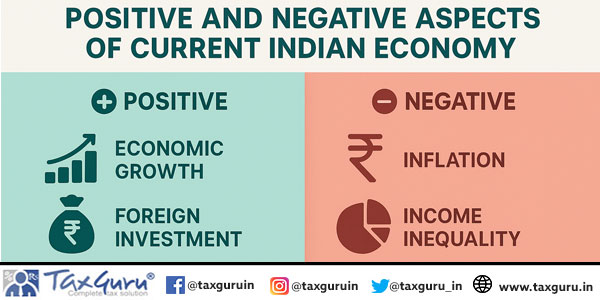
The Indian economy exhibits several notable strengths, driven primarily by its large, youthful population and a robust STEM ecosystem. It maintains a strong presence in global services, particularly in IT-enabled, legal, and accounting outsourcing. Key domestic and international markets are flourishing across sectors like electronics, pharmaceuticals, automobiles, and digital products, supported by a sound agricultural base and significant exports. The nation benefits from high foreign exchange reserves, a resilient banking sector, and substantial strides in poverty reduction and improving per capita income. Furthermore, it boasts continuously strengthening infrastructure in road, rail, and air connectivity, along with rich domestic mining reserves. A growing interest from foreign manufacturing entities to shift operations from China to India, capitalizing on the lucrative domestic market and competitive labor, signals future growth. Silent revolutions are also underway in critical, high-tech areas like semiconductors, drones, EV, and digital products.
However, the economy faces considerable challenges. There is significantly low government funding for research & development and education, which lags far behind major global economies. India suffers from a substantial digital and technical gap in advanced technologies like chips, robotics, and AI, coupled with substandard technical education. A major vulnerability is its near-total dependence on imports from China for most industrial raw materials, medicines, and critical minerals. Infrastructural backwardness, particularly in road connectivity, remains a concern. The economy shows a tendency toward being excessively export-oriented, resulting in low domestic purchasing power and consumption. The country is grappling with high unemployment, a large pool of unskilled educated people, low labor productivity, and substantial public sector inefficiencies. Financial stress is visible through high Non-Performing Assets (NPAs) and defaults in the micro-financial sector, alongside growing income inequality and inflationary pressures. The looming threat of massive automation and AI adoption poses a risk to employment and real wages, potentially offsetting gains from industrial growth.
Positive Aspects of Current Indian Economy
1. Demographic Dividend and STEM Ecosystem
India today enjoys the world’s largest population of youth, which gives it a significant demographic advantage. Combined with a vast network of educational institutions in science, technology, engineering, and mathematics (STEM), India has developed a strong academic ecosystem. After China, India produces one of the highest numbers of STEM graduates annually, which is a major strength for both industrial growth and knowledge-driven sectors.
2. Global Service Sector Leadership
India has emerged as the world’s leading provider of IT-enabled services and outsourcing solutions. From software development to legal, accounting, and taxation services, Indian companies are supporting businesses across the globe. This “service backbone” has made India indispensable in the global outsourcing industry, ensuring steady inflow of foreign exchange and creating employment for millions.
3. Agricultural Base and Exports
Agriculture remains a solid foundation of the Indian economy. With diverse crop production and rising exports of food grains, spices, fruits, and processed agricultural goods, India is not only self-sufficient but also a key player in global food security. The sector continues to provide livelihood to a large section of the population while contributing significantly to GDP.
4. Expanding Industrial and Consumer Markets
India’s domestic and international markets in electronics, electrical goods, pharmaceuticals, automobiles, EVs, batteries, auto parts, textiles, petroleum products, and digital technologies are thriving. The growing middle-class consumption base and rising global demand for Indian goods have positioned India as a strong player in multiple industrial segments.
5. Foreign Exchange Reserves and Banking Strength
India maintains high foreign exchange reserves, which provide stability against external shocks. The country also has a robust and well-regulated banking and financial ecosystem. Despite challenges like NPAs, the system has shown resilience, supporting credit expansion and sustaining overall economic stability.
6. Poverty Reduction and Income Growth
Over the last decade, India has made remarkable progress in reducing poverty. Millions have been lifted above the poverty line, while per capita income has consistently improved. This has had a multiplier effect on living standards, access to education, healthcare, and consumption.
7. Infrastructure Development
Massive improvements in infrastructure—roads, railways, airports, seaports, electricity, and renewable energy—have enhanced connectivity and competitiveness. Initiatives like expressways, high-speed rail projects, and expanding renewable energy capacity are creating a strong foundation for sustained growth.
8. Rich Natural Resources
India is endowed with abundant mineral resources including coal, iron ore, manganese, uranium, copper, bauxite, and sand. Along with refining capacities, these reserves support industries like power, steel, chemicals, and construction, helping India maintain self-reliance in critical areas.
9. Rising Manufacturing Potential
Geopolitical shifts and companies diversifying supply chains away from China are benefitting India. The country offers a lucrative domestic market, competitive wages, and technical talent, making it an attractive alternative manufacturing hub for global players.
10. Emerging Industrial Revolutions
India is quietly witnessing revolutions in semiconductors, drones, EVs, batteries, petrochemicals, mining technologies, digital products, and industrial machinery. These sunrise sectors are drawing heavy investments, which will reshape the industrial landscape over the coming decades.
11. Healthcare and Pharma Strength
With the world’s largest pool of doctors and paramedics, India has a strong healthcare backbone. Coupled with a globally recognized pharmaceutical industry—famously known as the “pharmacy of the world”—India supplies affordable medicines and vaccines to multiple countries, strengthening its global influence.
Negative Aspects of Current Indian Economy
1. Insufficient Investment in Research and Education
Government spending on research and development, as well as education, remains alarmingly low at around 0.6–0.7% of GDP. In comparison, China invests nearly 6.8% and the USA and EU around 4.6%. This underinvestment slows innovation, technological breakthroughs, and global competitiveness.
2. Technological Gaps and Weak Digital Infrastructure
India lags behind in critical technologies like semiconductors, robotics, and advanced AI. Technical education standards are inconsistent, and the country is estimated to be 70–80 years behind China and at least 50 years behind developed economies such as the USA, Japan, and Europe in several advanced sectors.
3. Import Dependence on China
India’s industrial base remains heavily dependent on China, accounting for nearly 85% of imports in areas like industrial raw materials, critical minerals, electronics, fertilizers, and pharmaceuticals. This over-dependence exposes India to geopolitical and supply chain vulnerabilities.
4. Infrastructural Weaknesses
Despite improvements, India still suffers from poor road conditions, inadequate connectivity in rural areas, and gaps in logistics infrastructure. These inefficiencies increase transportation costs and reduce competitiveness.
5. Weak Domestic Demand
The economy is still largely export-oriented, while domestic purchasing power and consumption levels remain relatively low. A broad-based increase in household income is needed to drive sustainable internal demand.
6. Regional Inequalities
Industrial development, SEZs, and economic clusters are concentrated in select states, creating regional imbalances. This results in large-scale migration, both interstate and international, causing social and economic strain.
7. Banking Sector Challenges
Low domestic savings, rising NPAs in banks, and growing defaults in microfinance and NBFC sectors pose risks to financial stability. While reforms are ongoing, these weaknesses hamper credit growth and financial inclusion.
8. Unemployment and Skills Gap
India faces its highest unemployment levels in five decades. A significant number of educated youth remain unskilled or unemployable due to poor quality education and training. In addition, inefficiencies in administration, unfilled vacancies in government, poor health infrastructure, and heavy pension and salary burdens weigh on the economy.
9. Inflation and Income Gap
Real per capita income growth is being offset by inflationary pressures in healthcare, education, and transportation. This reduces disposable income and widens the inequality gap, especially for lower- and middle-income groups.
10. Threat of Automation and AI
The rapid pace of automation and adoption of AI in industries poses a major employment challenge. While industrial growth may accelerate, it could lead to job losses and wage stagnation, reducing the overall benefits of economic expansion for the working population.