The GST portal has revamped GSTR-3B filing to improve interest calculation, ITC usage, and reporting accuracy. Taxpayers must verify auto-filled data to ensure correct compliance.
SEBI has invited public comments on revising disqualification norms for intermediaries. The proposals aim to reduce harsh consequences from mere pendency of cases while strengthening integrity-based assessment.
SEBI has modified the OTR framework to exempt certain equity option orders and market-maker algorithms from penalties. The changes aim to refine disincentives while maintaining oversight of algorithmic trading.
The draft notification proposes easing import and landing permission requirements for specified gas cylinders and components. Stakeholders have been invited to submit objections before the rules are finalized.
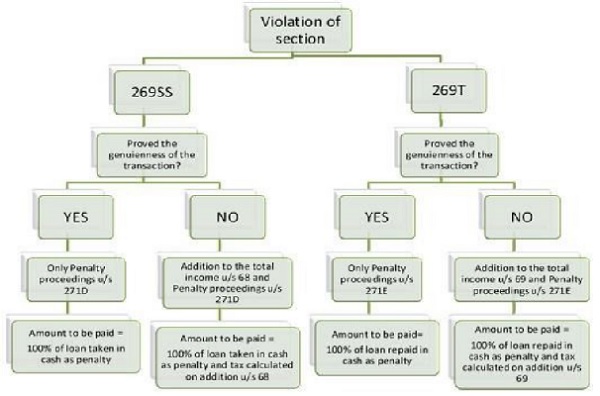
This covers how unexplained credits and investments are taxed under Sections 68 to 69D. The key takeaway is that additions require clear evidence and cannot rest on assumptions.
This explains realistic study methods for CA students juggling articleship and exams. The key takeaway is that short, consistent efforts outperform unrealistic long schedules.
The case involved a penalty for alleged non-disclosure of a foreign bank account. The Tribunal held that ambiguity regarding linked currency accounts required fresh verification before sustaining the penalty.
Courts have clarified that summons, audits, and investigations do not amount to initiation of proceedings under GST. The jurisdictional bar applies only once a determinative adjudicatory step like a show cause notice is issued.
It was held that EV components imported separately and requiring substantial manufacturing in India cannot be treated as vehicle kits. The ruling denied eligibility for concessional customs duty on such imports.
The dispute concerned whether interior wall panels were builders ware or plastic sheets. The authority ruled they remain classifiable under heading 3921, confirming decorative panels do not become structural elements.