
Courts: ITAT Pune
Find latest ITAT Pune judgments, orders and case laws on income tax covering assessments, deductions, transfer pricing, capital gains, TDS, reassessment and penalties.

Parent Company Subvention to Prevent Subsidiary Losses Is Capital Receipt: ITAT Pune

ITAT Upholds ₹680.62 Cr Ad, Marketing & Cooler Expense Deductions, Remands Section 80G Claim
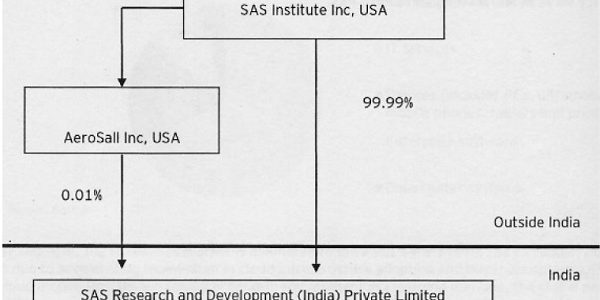
ITAT Pune Excludes Comparables Affected by Mergers and Functional Differences
ITAT Pune Excludes Cybercom Datamatics as Comparable, Upholds InfoBeans in TP Case
ITAT Pune Allows Section 10(10B) Exemption for BSNL VRS Compensation
ITAT Pune Deletes Addition on Ex Gratia Payment Received Under Pfizer Exit Scheme
ITAT Pune Sets Aside CIT(A) Order for Denial of Video Conferencing Hearing
ITAT Pune Sets Aside Denial of Section 80P(2)(d) Deduction on Interest Income
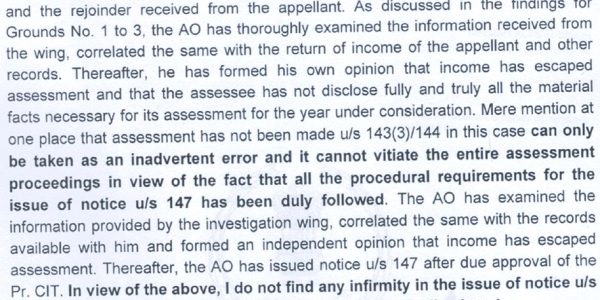
ITAT Pune Quashes Reassessment Based on Wrong Facts and Borrowed Satisfaction
Registered Society Taxable at Normal Rates, Not Maximum Marginal Rate: ITAT Pune
ITAT Pune Allows Section 80IB(10) Deduction Despite Delayed Form 10CCB Filing
ITAT Pune Allows Section 11 Exemption Despite Delayed Form 10BB Filing
ITAT Cancels Reassessment Based Solely on Unverified ITBA Portal Information
ITAT Pune: No Section 56(2)(vii)(b) on Agricultural Land Held as Stock-in-Trade
ITAT Pune judgments and orders cover a broad range of income-tax controversies involving individuals, businesses and corporate taxpayers. This TaxGuru page compiles decisions relating to assessments, additions, deductions, exemptions, business income, capital gains, transfer pricing, international taxation, TDS, reassessment, unexplained income, penalties and procedural issues. Chartered Accountants, advocates, companies and other tax professionals can use this collection to research ITAT Pune precedents and follow developments in direct tax jurisprudence. The page includes recent and significant earlier Tribunal decisions published on TaxGuru for convenient income-tax case-law research.

