
Courts: Bombay High Court
Find latest Bombay High Court judgments, orders and case laws on Income Tax, GST, Customs, Company Law, FEMA, IBC and other tax and commercial matters.

Bombay HC Orders Rs. 3.25 Cr Section 244A Interest Payment with 6% Compensation

GST Appeal Rejection Without Hearing Violates Natural Justice: Bombay HC

Bombay HC Orders Release of Goods After GST Prohibition Period Ends
6% Interest Payable on Delayed Vivad Se Vishwas Refund: Bombay HC

Bombay High Court Quashes Reassessment for Five-Day Section 148A(b) Notice

Company Revival Allowed Despite Minority Shareholders’ Objections: Bombay HC

IBBI Suspension Challenged; Liquidator Permitted to Continue Assignment: Bombay HC

ITAT Must Reconsider Additional Evidence Found on Tribunal Record: Bombay HC
IBC Resolution Plan Extinguishes MVAT Dues & Requires Pre-Deposit Refund: Bombay HC
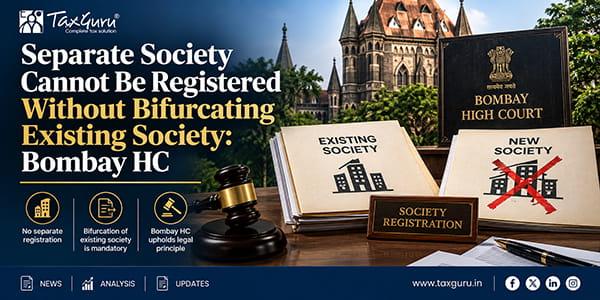
Separate Society Cannot Be Registered Without Bifurcating Existing Society: Bombay HC
Flower Bed Area Cannot Be Included in Built-Up Area for Section 80IB(10) Deduction: Bombay HC
Assessment Under Sections 143(3) and 263 Cannot Survive Quashed Revision Order: Bombay HC
Bombay HC Quashes GST Order for Denial of Hearing and Section 74A Breach
GST Audit Findings Do Not Trigger Recovery Without Further CGST Action: Bombay HC
Bombay High Court judgments and orders form an important body of Indian tax, corporate and commercial jurisprudence. This TaxGuru page compiles Bombay High Court case laws concerning Income Tax, GST, Customs, Company Law, FEMA, insolvency, banking, labour and employment, reassessment, penalties and other legal matters. Taxpayers, companies, Chartered Accountants, advocates and other professionals can use this collection to research important judicial precedents and follow developments affecting taxation and business law. TaxGuru brings together recent and significant earlier Bombay High Court decisions with case summaries, analysis and important legal principles. The page provides a convenient resource for locating judgments and understanding how the Court has interpreted statutory provisions and addressed significant tax, corporate, commercial and regulatory disputes.

