
Courts: Bombay High Court
Find latest Bombay High Court judgments, orders and case laws on Income Tax, GST, Customs, Company Law, FEMA, IBC and other tax and commercial matters.

Bombay HC Quashes Customs Order Over Unanswered VJTI Expert Opinion

Bombay HC Allows Excise Section 11BB Interest From Original Refund Application Date

Bombay HC Allows GST Reimbursement for Pre-GST Ongoing Construction Contract

Notice to Deceased Assessee Under Section 148 Is Null & Void: Bombay HC

Reassessment Quashed as Change of Opinion After Detailed Scrutiny: Bombay HC
Bombay HC Restricts Bogus Purchase Addition to 12.5% of Purchases

Bombay HC Quashes TPO Order for Failure to Serve Mandatory SCN
Bombay HC Quashes PMLA Freezing Order for Missing Section 8(2) Finding
GST Appellate Authority Must Decide Appeal on Merits Despite Appellant’s Non-Appearance

Bombay HC Orders Refund of Interest on IGST Repayment for Pre-2024 Imports

Bombay HC Orders Release of Roasted Areca Nuts Without Bank Guarantee
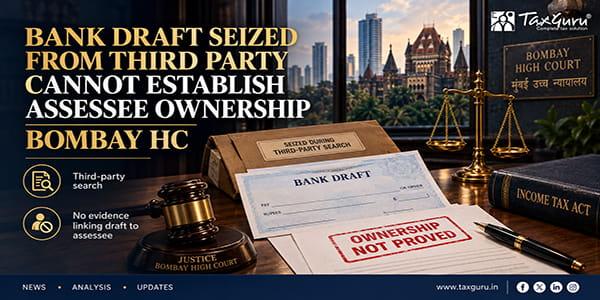
Bank Draft Seized From Third Party Cannot Establish Assessee Ownership: Bombay HC
Excise Act Section 11BB Interest Mandatory on Delayed Refunds: Bombay HC
Bombay High Court Upholds Section 10B Benefit and Section 14A Relief for EOU
Bombay High Court judgments and orders form an important body of Indian tax, corporate and commercial jurisprudence. This TaxGuru page compiles Bombay High Court case laws concerning Income Tax, GST, Customs, Company Law, FEMA, insolvency, banking, labour and employment, reassessment, penalties and other legal matters. Taxpayers, companies, Chartered Accountants, advocates and other professionals can use this collection to research important judicial precedents and follow developments affecting taxation and business law. TaxGuru brings together recent and significant earlier Bombay High Court decisions with case summaries, analysis and important legal principles. The page provides a convenient resource for locating judgments and understanding how the Court has interpreted statutory provisions and addressed significant tax, corporate, commercial and regulatory disputes.

