
Courts: ITAT Bangalore
Find latest ITAT Bangalore judgments, orders and case laws on income tax covering assessments, transfer pricing, deductions, capital gains, TDS, reassessment and penalties.
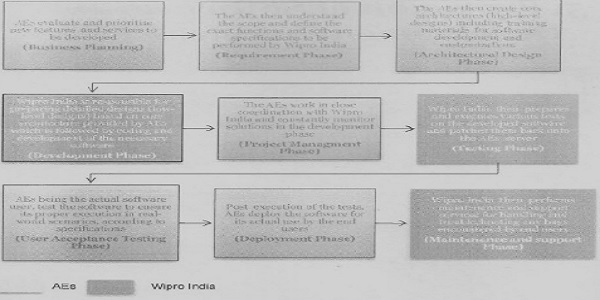
ITAT Bangalore: Tally Solutions Excluded as Functionally Dissimilar to Wipro

ITAT Bangalore Deleted Section 69A Addition as Agricultural Income Explained Cash deposit

Bangalore ITAT: Trust Taxable on Net, Not Gross Receipts, Even If Section 11 Fails
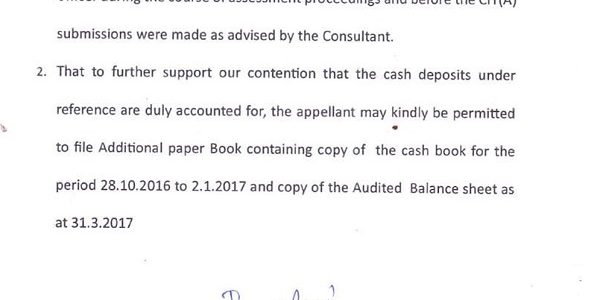
Bangalore ITAT Admits Rule 29 Evidence, Restores Cash Deposit Issue to AO
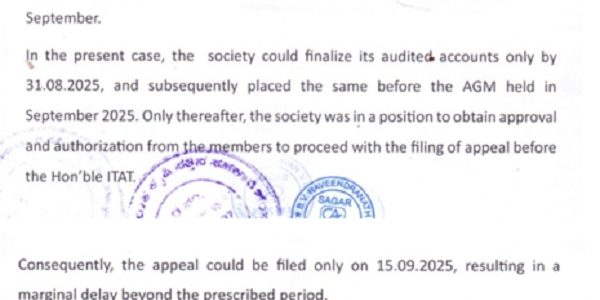
Bangalore ITAT: Demonetised Notes for Members’ Loan Recovery Not Taxable U/s 68
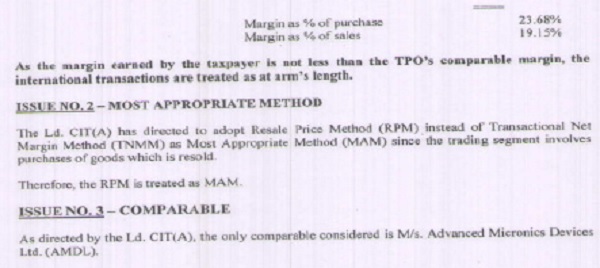
ITAT Bangalore: Trading & Software TP Adjustments Deleted Due to Comparability & 3% Range
ITAT Bangalore: Turnover & RPT Filters Applied, Functionally Dissimilar Comparables Excluded

ITAT Bangalore: Capacity & Working Capital Adjustments Allowed in Transfer Pricing
Bangalore ITAT Excludes Infosys, L&T Infotech, Persistent from TP Comparables
Excludes High-Turnover Comparables in Software Development TP Case: ITAT Bangalore
ITAT Condones Delay in Section 270A Penalty Appeal, Orders Joint Hearing With Quantum Appeal
Only Profit on Business Bank Deposits Taxable, Not Entire Credits: ITAT Bangalore
Bangalore ITAT Condones 4-Year Delay as Assessee Bona Fide Pursued Section 119(2)(b) Remedy
ITAT Bangalore Remands Goodwill Amortisation and Transfer Pricing Issues for Fresh Review
ITAT Bangalore judgments and orders form an important body of income-tax appellate jurisprudence. This page brings together ITAT Bangalore case laws concerning assessments, business income, deductions, exemptions, transfer pricing, international taxation, capital gains, TDS, reassessment, unexplained income, penalties and procedural disputes. Companies, taxpayers, Chartered Accountants, advocates and tax professionals can use this collection to research Tribunal precedents and follow developments under the Income-tax Act. TaxGuru provides access to recent as well as significant earlier ITAT Bangalore decisions, making this page a useful reference for direct tax research and appellate practice.

