
Courts: ITAT Bangalore
Find latest ITAT Bangalore judgments, orders and case laws on income tax covering assessments, transfer pricing, deductions, capital gains, TDS, reassessment and penalties.

Bangalore ITAT Allows BSNL VRS Exemption u/s 10(10B), Retrospective ₹25-Lakh Leave Encashment Benefit
Bangalore ITAT: AY 2016-17 Material Cannot Travel Backwards u/s 153C; Liquor Profit Cut to 5.5%
ITAT Bangalore Allows Section 80P Deduction for Nominal Member Credit and Bank Interest
Section 2(14): Rural Land Exempt, ₹1.28 Crore Addition Deleted Despite TDS u/s 194-IA
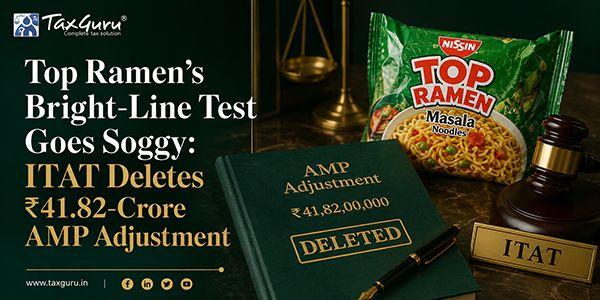
Top Ramen’s Bright-Line Test Goes Soggy: ITAT Deletes ₹41.82-Crore AMP Adjustment
Borrowed for Control, Deducted by Law: ITAT Shields Strategic-Investment Interest u/s 36(1)(iii)
Invoices, TDS Insufficient for Deductions; DSIR Approval Mandatory u/s 35(2AB): ITAT Bangalore
VRS Was the Exit, Not the Tax Trap: Bangalore ITAT Opens Full Exemption Door u/s 10(10B)
Copyright Clock Ran Out: Time-Barred Revision u/s 263 Fails Against Non-Royalty Assessment
Souharda by Name, Co-operative by Law: ITAT Restores Full Deduction u/s 80P(2)(a)(i)
Revision Survives, Cash Addition Doesn’t: ITAT Orders a Clean Recount u/s 144 Read With 263
Wrong Forum Condoned, ITAT Remands ₹1.31 Crore Capital-Gain Valuation Dispute
Wrong Portal Code Cannot Bury a Genuine Charity: ITAT Bangalore
ITAT Bangalore Deletes Section 40(a)(i) Disallowance After Payee Filed Return With Loss
ITAT Bangalore judgments and orders form an important body of income-tax appellate jurisprudence. This page brings together ITAT Bangalore case laws concerning assessments, business income, deductions, exemptions, transfer pricing, international taxation, capital gains, TDS, reassessment, unexplained income, penalties and procedural disputes. Companies, taxpayers, Chartered Accountants, advocates and tax professionals can use this collection to research Tribunal precedents and follow developments under the Income-tax Act. TaxGuru provides access to recent as well as significant earlier ITAT Bangalore decisions, making this page a useful reference for direct tax research and appellate practice.

