
Courts: ITAT Bangalore
Find latest ITAT Bangalore judgments, orders and case laws on income tax covering assessments, transfer pricing, deductions, capital gains, TDS, reassessment and penalties.
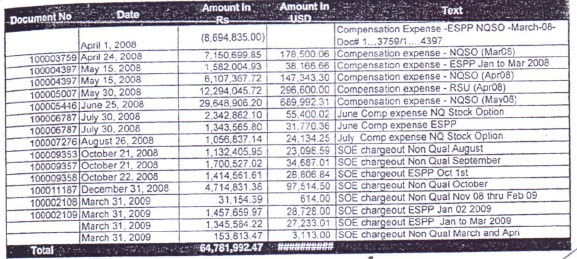
Bangalore ITAT Allows 80JJAA Deduction and Lease Rentals, Remands Software Expenses

ITAT Bangalore Excludes High-Turnover Comparables in Software Development ALP
Transfer Pricing Adjustment Partly Set Aside on Turnover Filter and Receivables: Bangalore ITAT
ITAT Bangalore Excludes High-Turnover and Functionally Dissimilar Comparables in NTT Data Case
Bangalore ITAT Applies Turnover Filter, Remands Two Software Comparables
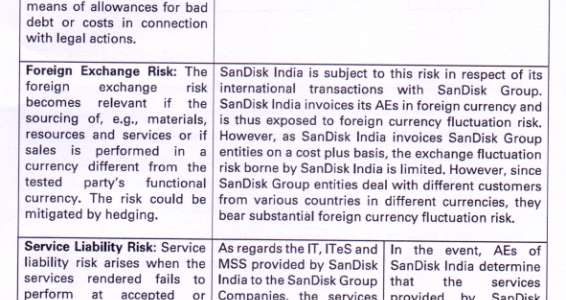
Bangalore ITAT Excludes 7 Software Comparables in Transfer Pricing Benchmarking
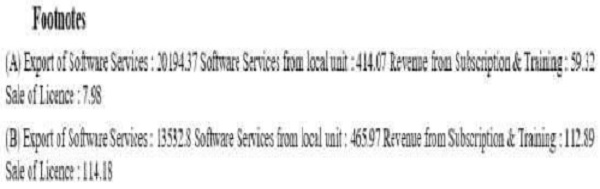
Bangalore ITAT Allows Working Capital Adjustment in Software Development Transfer Pricing
ITAT Bangalore Rules Turnover Filter Relevant, Rejects Negative Working Capital Adjustment
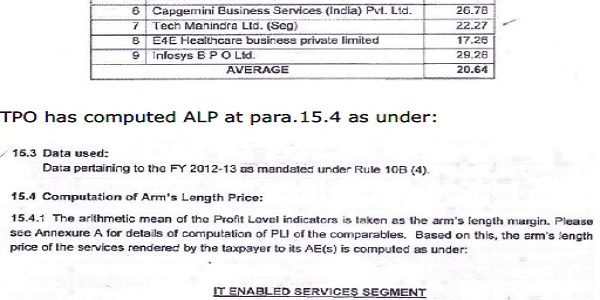
High-Turnover Comparables Excluded From ALP: Bangalore ITAT Grants Partial Relief
Bangalore ITAT Excludes Functionally Dissimilar Comparables in Transfer Pricing Case
ITAT Bangalore Applies Rs.200 Crore Turnover Filter to Software Comparables
ITAT Bangalore Quashes Section 263 Revision Over Partner Remuneration Deduction
ITAT Bangalore Allows Full BSNL VRS Exemption Under Sections 10(10B) and 10(10AA)
Bangalore ITAT Remands Software Segment TP Issue for Fresh Verification
ITAT Bangalore judgments and orders form an important body of income-tax appellate jurisprudence. This page brings together ITAT Bangalore case laws concerning assessments, business income, deductions, exemptions, transfer pricing, international taxation, capital gains, TDS, reassessment, unexplained income, penalties and procedural disputes. Companies, taxpayers, Chartered Accountants, advocates and tax professionals can use this collection to research Tribunal precedents and follow developments under the Income-tax Act. TaxGuru provides access to recent as well as significant earlier ITAT Bangalore decisions, making this page a useful reference for direct tax research and appellate practice.

