
Courts: All CESTAT
Read latest CESTAT judgments and orders on Customs, Central Excise and Service Tax, including classification, valuation, CENVAT credit, refunds and demands.

CESTAT Delhi Deletes Service Tax Demand on Separate C&F and GTA Services
CESTAT Kolkata Sets Aside Service Tax Demand on Pre-2016 Mining Rights
CESTAT Delhi Drops Pre-2016 Royalty Demand, Upholds Works Contract Tax
CESTAT Delhi Dismisses Service Tax Demand on Pre-2016 Mining Rights Payments

Service Tax on Mining Royalty for Pre-April 2016 Extraction Set Aside: CESTAT Kolkata
CESTAT Remands Dabur Excise Demands for Recalculation Using Special Value Addition Rates

CESTAT Hyderabad Upholds Confiscation for Unauthorised Customs Warehouse Diversion
CESTAT Hyderabad Sets Aside Demand for Manpower Supply Service
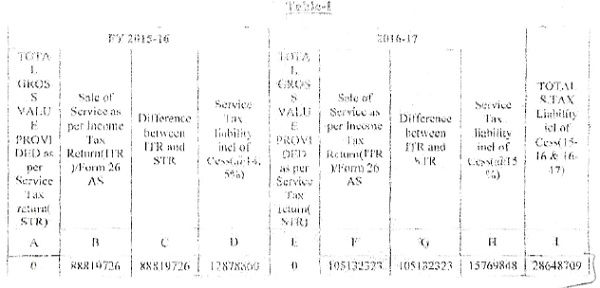
CESTAT Kolkata Sets Aside Service Tax Demand Based Solely on CBDT Data
CESTAT Kolkata Quashes Service Tax Demand Based Solely on Form 26AS
CESTAT Chennai Sets Aside Service Tax on Dealer Incentives and Forfeited Car Advances
Dealer Incentives Not Taxable as Business Auxiliary Services: CESTAT Chennai
CESTAT Chandigarh Deletes CENVAT Credit Demand Based on V.K. Metal Works Investigation

CESTAT Mumbai Sets Aside Service Tax Demands on Coal Short-Lifting Compensation
All CESTAT brings together judgments and orders of the Customs, Excise and Service Tax Appellate Tribunal from benches across India. Decisions cover Customs, Central Excise and Service Tax disputes involving classification, valuation, exemptions, CENVAT credit, refunds, demands, limitation, penalties, confiscation and other indirect-tax matters. Importers, exporters, manufacturers, businesses, advocates and indirect-tax professionals can use this consolidated TaxGuru archive to research CESTAT precedents across benches. Individual CESTAT bench categories are also available for bench-specific decisions.

