Tax Audit Form 26 now requires reporting of both quantity and value of principal stock, purchases, and sales. The key takeaway is a significant increase in disclosure obligations and audit work for taxpayers and auditors.
The article argues that recurring demands for ITR deadline extensions arise from delayed AIS updates, late utility releases, and technical glitches. The key takeaway is that systemic reforms, not last-minute extensions, are needed to improve tax compliance.
The Income Tax Act, 2025 introduces detailed reporting requirements for books maintained in electronic form. Tax auditors must now disclose accounting software, storage systems, server locations, and compliance with backup requirements.
Tax auditors must now report all purchases and sales of unquoted shares under Clause 47 of Form 26. The key takeaway is increased scrutiny of transactions involving differences between FMV and transaction value.
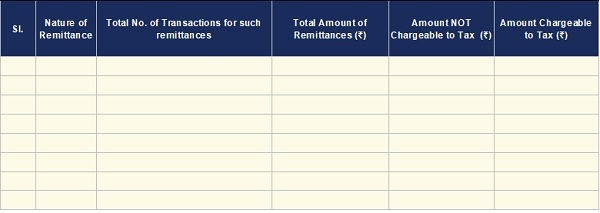
Clause 43 in Tax Audit Form No. 26 requires auditors to verify remittances reported in Part-D of Form 145. Incorrect classification of non-taxable foreign payments may invite tax department inquiries and litigation.
A dormant company faced massive compliance costs due to years of non-filing. The case highlights that inactivity does not eliminate statutory obligations.
The Income Tax Rules 2026 introduce a completely revamped form numbering system across all compliance categories. The reform consolidates multiple forms and simplifies filing, making it essential for taxpayers and professionals to update systems and processes.
The new tax framework retains existing rates but introduces wide-ranging reforms in MAT, penalties, disclosures, and filing procedures.
Courts have ruled that transfer of leasehold rights is not a supply of services. The key takeaway is that such transactions fall outside GST.
Filing tax returns without expert help may cause costly errors. Learn why DIY tax filing tools and AI advice often fall short in ensuring compliance.