
Month: June 2026
2,704 articlesCorporate Law
Corporate Law
Charity Commissioner Cannot Order Enrollment of New Trust Members as Section 41D Grants No Such Power: Bombay HC
Income Tax
Income Tax
ITAT Directs AO to Follow APA as Royalty Transaction Became Covered Under New Agreement
Income Tax
Income Tax
ITAT Remands TP Adjustment as AE Transaction ALP Was Computed Using Incorrect Entity-Level Method
Corporate Law
Corporate Law
SC Dismisses Second SLP as Review Failure Cannot Reopen Finalized Litigation
Goods and Services Tax
Goods and Services Tax
GST Refund Limitation Amendment Cannot Apply Retrospectively to Curtail Vested Rights: Delhi HC
Goods and Services Tax
Goods and Services Tax
Recovery Proceedings Invalid if Time to File GST Appeal Not Expired: Bombay HC
Income Tax
Income Tax
Every Foreign Asset Is Not a Black Asset: Lessons from Two Recent Tribunal Rulings
Income Tax
Income Tax
Periodic dredging to maintain existing jetty was revenue expense, not capital outlay: ITAT granted ₹4.49 Crore Relief
Income Tax
Income Tax
ITAT upheld additional depreciation on new tanks used for storage of raw materials and finished goods
Corporate Law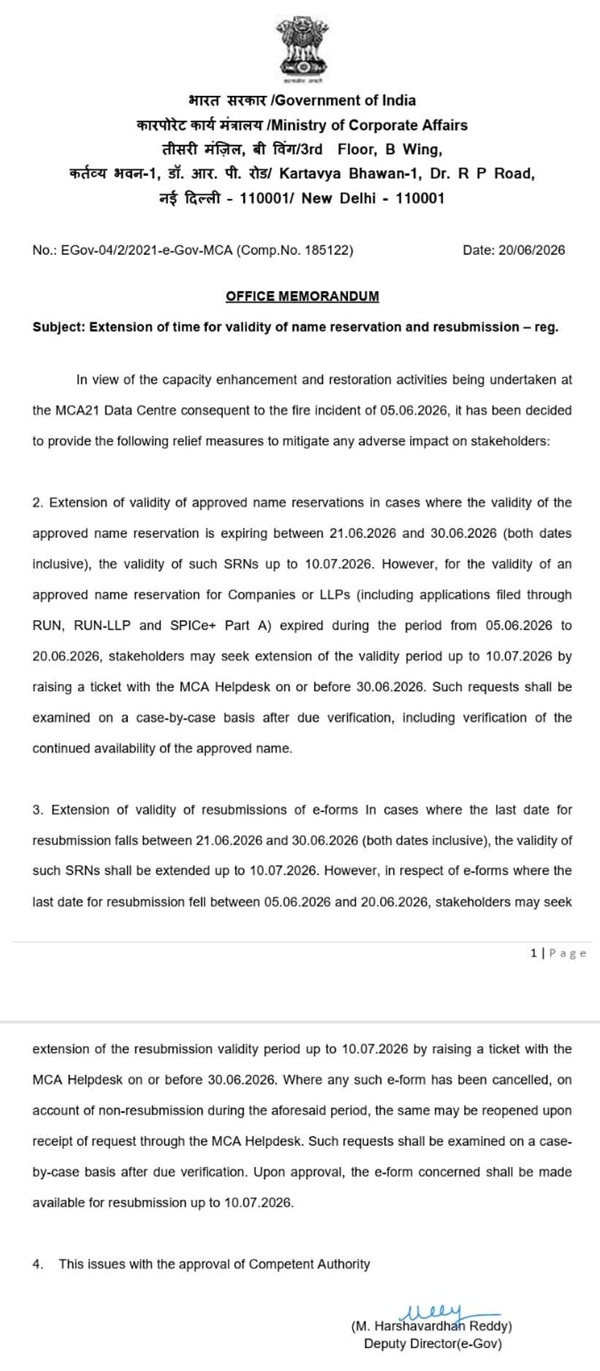
Corporate Law
MCA Extends time period for validity of name reservation and resubmission
CA, CS, CMA
CA, CS, CMA
What IBA Framework Says About Working Capital Lending & Why It Matters to a Stock Auditor
Income Tax
Income Tax
APA Refund Reduces Taxable Royalty, No PE in India: Bombay HC
Goods and Services Tax
Goods and Services Tax
GSTR-1 vs GSTR-3B Mismatch Notices: Key Steps Before Replying
Fema / RBI
Fema / RBI

