The Tribunal held that an assessment completed without issuing notice under section 143(2) is void ab initio. Non-participation by the assessee cannot cure this jurisdictional defect.
The Tribunal upheld deletion of unsecured loan additions where the appellate authority independently examined lender details. The key takeaway is that CIT(A) can call for and rely on necessary evidence to decide appeals on merits.
The Tribunal ruled that cessation must be evidenced by a write-back or clear act in the books. Inferences or time lapse alone cannot trigger section 41(1).
The Tribunal quashed reassessment where the Assessing Officer invoked section 147 without examining books of account or correlating bank deposits with returned income.
The Tribunal held that once a regular assessment under section 143(3) is completed, earlier CPC adjustments under section 143(1) merge with it and lose independent existence.
he Tribunal observed that confirmation of additions without examining affidavits and tax returns of close relatives is legally flawed. The matter was remanded for fresh adjudication.
The Tribunal held that assignment of a life interest under a trust does not amount to transfer of land or building. Since only a limited, determinable right was transferred, Section 50C could not be invoked.
The Tribunal held that a summary and presumptive approval under Section 153D vitiates the entire assessment. Lack of independent application of mind by the approving authority renders the assessment non-est.
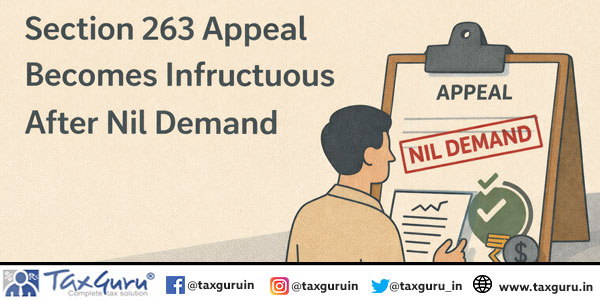
The Tribunal observed that the purpose of revision is to protect revenue interests. When no tax demand arises in consequential proceedings, the revision order no longer calls for adjudication.
The Tribunal ruled that where more than three years have elapsed, sanction must come from the Principal Chief Commissioner. Approval by the Principal Commissioner renders the reassessment void ab initio.