
Type: Judiciary
Read latest judgments, orders and case laws from Supreme Court, High Courts, tribunals and appellate authorities on tax, corporate and commercial laws.


Section 74 Invocation Upheld for Wrongful ITC on Blocked Credits: Madras HC


Physical GST Notice Mandatory After Registration Cancellation: Allahabad HC
Actual Communication Date Must Be Considered for GST Appeal Limitation: Allahabad HC


GST Refund Directed After Withdrawal of Best Judgment Assessment Order: Patna HC
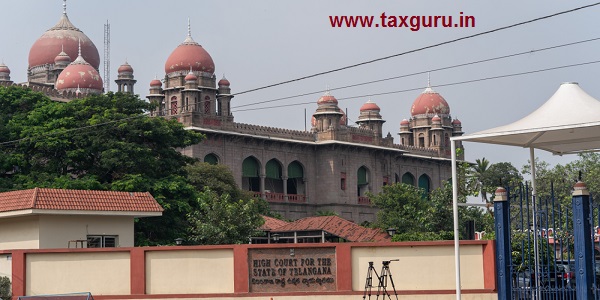
Section 73 GST Order Challenge Disposed with Liberty to File Delayed Appeal: Telangana HC
GST Registration Revocation Application Permitted After Time-Barred Appeal: Telangana HC

₹2500 Monthly Fee per State for Nil GST Returns During CIRP Excessive: NCLT Kolkata

Judiciary is TaxGuru’s extensive collection of judgments, orders and case-law analysis concerning taxation, corporate, commercial and regulatory laws. The archive includes decisions of the Supreme Court, High Courts, ITAT, CESTAT, GST appellate forums, NCLT, NCLAT and other judicial or quasi-judicial authorities covered by TaxGuru. Readers can research decisions involving Income Tax, GST, Customs, Company Law, insolvency, FEMA, SEBI and other legal subjects. Chartered Accountants, advocates, tax professionals, companies and researchers can use this category to follow judicial developments, locate relevant precedents and understand important legal principles emerging from courts and tribunals.

