

Goods and Services Tax
Type: Judiciary
Read latest judgments, orders and case laws from Supreme Court, High Courts, tribunals and appellate authorities on tax, corporate and commercial laws.

Corporate Law
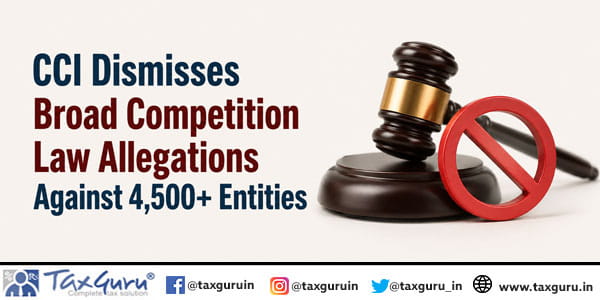
CCI Finds No Abuse of Dominance in DIAL Security Tender


Goods and Services Tax
Occupancy Certificate Date Determines ITC Profiteering Period: GSTAT



Goods and Services Tax
Bombay HC Sets Aside Ex Parte GST Order Uploaded in Wrong Portal Section
Judiciary is TaxGuru’s extensive collection of judgments, orders and case-law analysis concerning taxation, corporate, commercial and regulatory laws. The archive includes decisions of the Supreme Court, High Courts, ITAT, CESTAT, GST appellate forums, NCLT, NCLAT and other judicial or quasi-judicial authorities covered by TaxGuru. Readers can research decisions involving Income Tax, GST, Customs, Company Law, insolvency, FEMA, SEBI and other legal subjects. Chartered Accountants, advocates, tax professionals, companies and researchers can use this category to follow judicial developments, locate relevant precedents and understand important legal principles emerging from courts and tribunals.

