
Type: Judiciary
Read latest judgments, orders and case laws from Supreme Court, High Courts, tribunals and appellate authorities on tax, corporate and commercial laws.
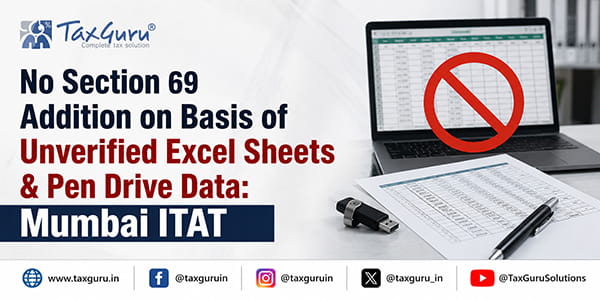




P&H HC Quashes Retrospective GST Registration Cancellation Beyond SCN

Madras HC Denies ITC Under Section 16(6) If Time-Barred Under Section 16(4)


Rajasthan HC Quashes GST Demand on University Affiliation Fees

GST Statements Cannot Defeat Right to Cross-Examination: Kerala HC
Madras HC Allows ITC Refund Despite Same GST Rate on Principal Input & Output
Judiciary is TaxGuru’s extensive collection of judgments, orders and case-law analysis concerning taxation, corporate, commercial and regulatory laws. The archive includes decisions of the Supreme Court, High Courts, ITAT, CESTAT, GST appellate forums, NCLT, NCLAT and other judicial or quasi-judicial authorities covered by TaxGuru. Readers can research decisions involving Income Tax, GST, Customs, Company Law, insolvency, FEMA, SEBI and other legal subjects. Chartered Accountants, advocates, tax professionals, companies and researchers can use this category to follow judicial developments, locate relevant precedents and understand important legal principles emerging from courts and tribunals.

