
#Section 250
Log in to FollowLatest Section 250 updates, provisions, case laws, compliance requirements, tax implications and expert analysis under Income-tax law on TaxGuru.
Income Tax
Income Tax
“Our Counsel Failed Us” Cannot Justify Three-Year Appeal Delay Without Evidence: ITAT Pune
Income Tax
Income Tax
Insurance Premium Records Explain Demonetisation Cash Deposits: ITAT Jaipur deletes Addition
Income Tax
Income Tax
Communication Gap Justifies Condonation and Fresh Hearing: ITAT Rajkot
Income Tax
Income Tax
Property Buyer’s Alleged On-Money Addition Restricted to 10%: ITAT Rajkot
Income Tax
Income Tax
No Reply Does Not Mean No Merit: CIT(A) Must Decide Appeal on Merits: ITAT Pune
Income Tax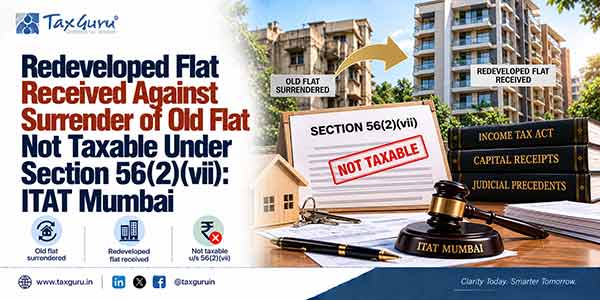
Income Tax
Redeveloped Flat Received Against Surrender of Old Flat Not Taxable Under Section 56(2)(vii): ITAT Mumbai
Income Tax
Income Tax
₹2.48 Crore Section 68 Addition Deleted as Bank Credits From Money Transfer Business Explained: ITAT Mumbai
Income Tax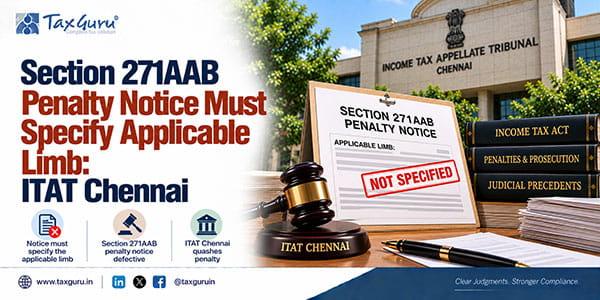
Income Tax
Section 271AAB Penalty Notice Must Specify Applicable Limb: ITAT Chennai
Income Tax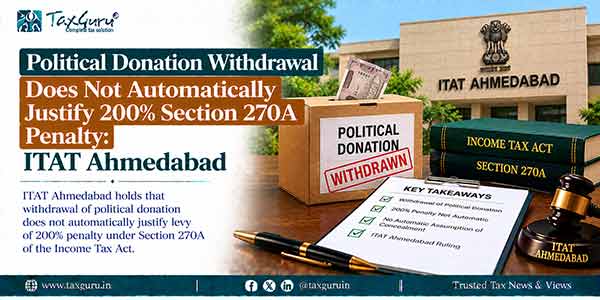
Income Tax
Political Donation Withdrawal Does Not Automatically Justify 200% Section 270A Penalty: ITAT Ahmedabad
Income Tax
Income Tax
Khadar Land Valuation and Section 69 Addition Remanded: ITAT Agra
Income Tax
Income Tax
20% Profit Estimate Cut to 8% for Spare Parts Business: ITAT Cuttack
Income Tax
Income Tax
₹29.34 Crore Cryptocurrency Additions Remanded for Speaking Order: ITAT Agra
Income Tax
Income Tax
Mechanical Section 151 Sanction Invalidates Reassessment: ITAT Agra
Income Tax
Income Tax
Mechanical Section 151 Approval Invalidates Reassessment: ITAT Agra
Explore the latest Section 250 updates on TaxGuru, including relevant Income-tax Act provisions, rules, notifications, circulars, judicial decisions and compliance guidance. The coverage highlights important tax positions, procedural requirements, assessments, deductions, penalties and litigation developments to help taxpayers and professionals understand the practical implications of changes in income-tax law.

