Fema / RBI : RBI plans to ease registration norms for low-risk NBFCs to reduce compliance burden. The move aims to encourage innovation while m...
CA, CS, CMA : CBDT corrected multiple ITR forms to fix structural and computational errors. The update ensures accurate tax reporting and reduce...
Fema / RBI : The issue concerns liability in unauthorised digital transactions. The ruling insight highlights that absence of a clear definitio...
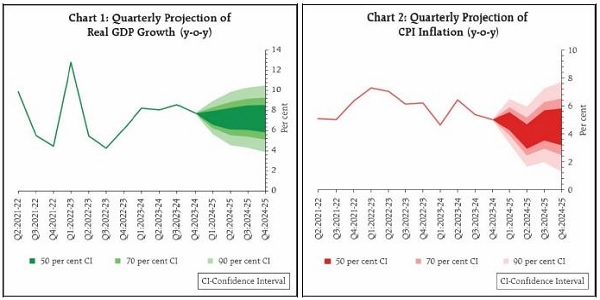
Fema / RBI : The RBI maintained key policy rates unchanged, signaling confidence in economic stability and controlled inflation. The decision r...
CA, CS, CMA : The latest amendments aim to simplify compliance and promote investment while reducing penalties. The update signals a major shift...
Fema / RBI : The amendment redefines revenue reserves by excluding provisions for liabilities and depreciation. This ensures clearer classifica...
Fema / RBI : RBI revises the definition of revenue reserves to exclude provisions and liabilities. The change enhances transparency and consist...
Fema / RBI : The Reserve Bank of India has removed a key provision from capital adequacy norms to ensure consistency with updated investment ru...
Fema / RBI : RBI introduces annual IFR assessment instead of continuous compliance for RRBs. The change reduces operational burden while mainta...
Fema / RBI : The Reserve Bank of India has proposed a clear 5% IFR requirement for rural co-operative banks’ current investments. This change...
Fema / RBI : The court held that failure to apply Clause 3(d) of the RBI Master Circular invalidated the wilful defaulter declaration. Non-Exec...
Corporate Law : The court held that Ombudsman’s finding of customer negligence was unsustainable and directed bank to refund disputed amount. Th...
Corporate Law : Court ruled that protections under the RBI Circular apply only to third-party breaches and cannot be invoked to recast personal tr...
Fema / RBI : Rajasthan High Court stays a ₹7 crore deposit for Tijaria Polypipes' OTS, directing Bank of India to comply with RBI circulars a...
Fema / RBI : RBI directs NBFCs to adhere to a Rs 20,000 cash loan disbursement limit, aiming to regulate cash transactions and enforce complian...
Fema / RBI : The RBI has consolidated all previous e-mandate guidelines into a single framework governing recurring digital payments. The key t...
Fema / RBI : The update prohibits most INR derivative contracts with related entities. Only specific transactions such as cancellations and non...
Fema / RBI : The issue involved restrictive branch approval requirements for NBFCs. RBI removed prior approval norms, allowing easier expansion...
Fema / RBI : The RBI proposes replacing the existing dual methodology with a single asset-based criterion for identifying NBFC-UL entities. The...
Fema / RBI : The discussion paper addresses increasing APP frauds and proposes preventive safeguards like transaction delays and authentication...
Understand the implications of depositing the Rs. 2000 note in banks amid its withdrawal from circulation. Explore challenges, income tax considerations, and the need for accurate currency note counts for a smoother transition.
Explore the potential pitfalls and opportunities of the new income tax amnesty scheme. Learn how to convert black money into white without facing taxes. Understand the implications for individuals and the economy.
RBI recently made a significant decision to withdraw circulation of Rs 2,000 denomination banknotes. While these notes will continue to be legal tender, the RBI has set a deadline of September 30, 2023, for their exchange.
Get the facts straight about the legal tender status of ₹2000 notes post-September 30, 2023. Debunk myths and clarify misconceptions about the withdrawal and continuation of ₹2000 bank notes. Understand the RBI’s role and stay informed to make confident decisions about currency exchange.
Explore the implications of the withdrawal of Rs 2000 notes in India. Understand the exchange process, reasons behind the move, and its impact on the economy. Get insights into the government’s strategy and the objectives behind this decision.
Discover the reasons behind the Reserve Bank of India’s decision to withdraw Rs 2,000 denomination banknotes. Learn about the Clean Note Policy, legal tender status, depositing/exchanging process, limits, special provisions, and the impact on the economy. Stay informed and navigate the withdrawal seamlessly with this comprehensive guide.
Discover the impact of the RBIs decision to withdraw ₹2000 denomination banknotes from circulation while maintaining their legal tender status. Learn about the objectives, implications, and guidelines for this move towards a cashless society. Stay informed with the RBI circular and press release issued on 19th May 2023.
Introduction of ₹2000 banknotes in November 2016 was an interim measure during demonetization. The usage of this denomination has decreased due to the successful implementation of digital transactions like UPI. To ensure only good quality banknotes are in circulation, the RBI has decided to withdraw ₹2000 banknotes.
RBI has decided to withdraw ₹2000 banknotes from circulation as part of its Clean Note Policy However, ₹2000 banknotes will continue to be legal tender
To facilitate the exchange of ₹2000 banknotes, banks have introduced a simple and user-friendly Request Slip. In this article, we will walk you through Annexure-III, the Request Slip for exchanging ₹2000 banknotes.