
Courts: ITAT Pune
Find latest ITAT Pune judgments, orders and case laws on income tax covering assessments, deductions, transfer pricing, capital gains, TDS, reassessment and penalties.
Section 80-IA Deduction Is Based on Tax-Adjusted Profits, Not Restricted to Book Profits: Pune ITAT
Pune ITAT Restricts Section 69A Addition to 12% of Cash Deposits

Non-Member Club Receipts Taxable Only on Profit Element: ITAT Pune
ITAT Pune Deletes ₹2.38 Crore Section 69A Addition on Demonetisation SBN Deposits
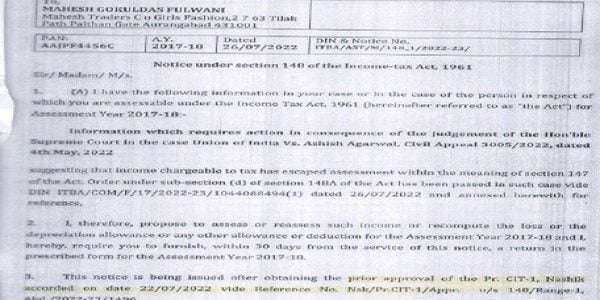
ITAT Pune Quashes Reassessment Over Invalid Section 151 Approval
Additional Evidence Requires AO Remand Report: Pune ITAT Restores Addition

Section 68 Inapplicable to Genuine Trade Payables: Pune ITAT Deletes ₹1.50 Crore Addition
Pune ITAT Remands ₹42 Lakh Property Addition for Fresh CIT(A) Hearing
Ex-Parte Section 69A Cash Deposit Addition Remanded by Pune ITAT
Pune ITAT Restores ₹84.25 Lakh Ex Parte Addition Over Property Reported Twice
Pune ITAT Restores Reassessment as Recorded Reasons Were Not Furnished to Assessee
₹6 Crore Bona Fide Family Settlement Not Taxable; Non-Interference Clause Incidental: Pune ITAT
Pune ITAT Holds Wrong Sanction Invalid, Quashes AY 2017-18 Reassessment
Pune ITAT Restores ₹68.65 Lakh Section 68 Addition for Fresh Verification
ITAT Pune judgments and orders cover a broad range of income-tax controversies involving individuals, businesses and corporate taxpayers. This TaxGuru page compiles decisions relating to assessments, additions, deductions, exemptions, business income, capital gains, transfer pricing, international taxation, TDS, reassessment, unexplained income, penalties and procedural issues. Chartered Accountants, advocates, companies and other tax professionals can use this collection to research ITAT Pune precedents and follow developments in direct tax jurisprudence. The page includes recent and significant earlier Tribunal decisions published on TaxGuru for convenient income-tax case-law research.

