

Goods and Services Tax

Articles by this Author
Goods and Services Tax
Bombay HC Allows Second GST Refund Claim for Missed Export Invoice
Goods and Services Tax
When GST Demand Goes Beyond SCN: A Practical Story from Telangana HC
Goods and Services Tax
GST Not Applicable on Commission Paid to Employees: Karnataka HC
Goods and Services Tax
Oxygen Supply with Tanks: GST Classification Depends on What Customer Actually Pays For
Goods and Services Tax
In GST, a Weak Section 74 Notice Can Kill a Strong Case: Gauhati HC
Goods and Services Tax
ITC Cannot Be Blocked Without Hearing: Bombay High Court Ruling
Goods and Services Tax
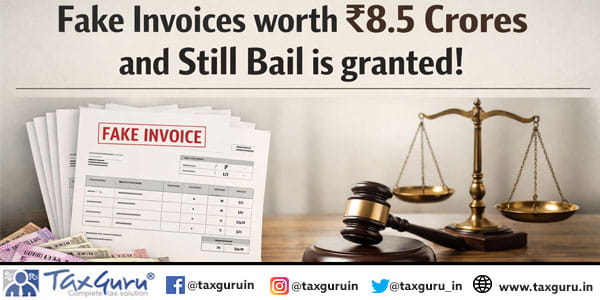
Fake Invoices worth ₹8.5 Crores and Still Bail is granted!
Goods and Services Tax
GST on Transport Services: Why Consignment Note Determines GTA Status
Goods and Services Tax
Can GST Officers Seize Cash During Search?
Goods and Services Tax
GST SCN Cannot Cover Multiple Financial Years: Bombay High Court
Goods and Services Tax
When an E-Way Bill Expires During Export Transit Can GST Authorities Impose Huge Penalty?
Goods and Services Tax
ITC Cannot Be Denied Solely for Supplier Default: Calcutta HC
Goods and Services Tax

