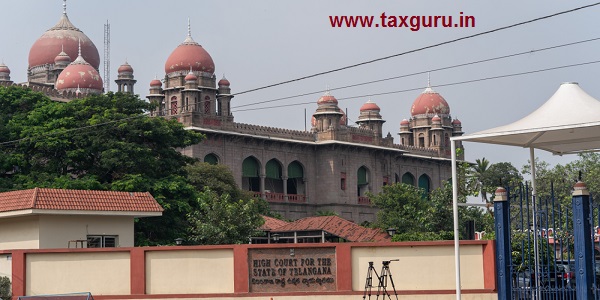
The Court set aside the dismissal of a GST refund appeal, finding the Appellate Authority miscalculated the limitation period. The matter was remanded for fresh consideration with proper hearing.
Tribunal holds that providing online ticket booking services does not constitute trading; service provider can retain convenience fees and claim CENVAT credit on taxable services.
The Court allowed the taxpayer to file a fresh reply after initially failing to respond to a GST notice. Relief is conditional on depositing 50% of disputed tax, after which the authority must reconsider the matter.
The court held that a works contractor cannot challenge a GST assessment months after becoming aware of it, as a rectification application was already pending.
The Court ruled that deductions could not be denied when ST-15 forms were genuine though stolen, and the assessee had no role in the theft. It held that denying benefit would unjustly penalize the assessee despite compliance with statutory requirements.
The Tribunal ruled that cash seized and previously taxed in the brother’s assessment cannot be taxed again in the assessee’s hands, remanding the issue to the AO for verification.
The Bombay High Court ruled that the six-month limitation under Section 254(2) starts from the date of receipt of the ITAT order, not the date of its passing, ensuring petitioners can file timely rectification applications.
The Court held that the show-cause notice under Section 73 CGST did not lack jurisdiction. It directed the petitioner to file a reply and allowed the Adjudicating Authority to examine all objections independently.
The High Court allowed a religious society to submit delayed audit documents, citing the treasurer’s age and Covid-19 as valid reasons, directing authorities to reconsider exemption under Section 11.
The Tribunal held that legal control under a JDA constitutes transfer for capital gains purposes. The assessee must provide acquisition cost details for recomputation.