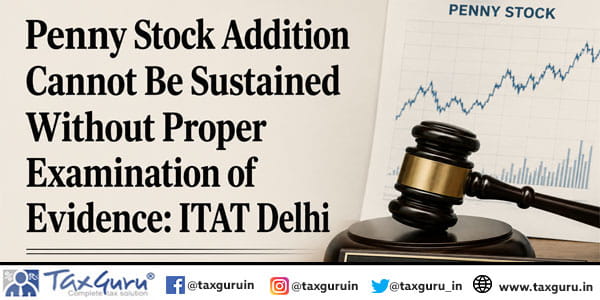
The issue was whether alleged non-genuine purchases justified higher additions despite accepted sales. The Tribunal held that only the profit element can be taxed when purchases are not treated as wholly bogus.
he High Court held that once the GST Appellate Tribunal is functional, disputes must be pursued before it. Filing an appeal requires strict compliance with the statutory pre-deposit under Section 112.
The case examined GST applicability on large-scale plantation and post-plantation maintenance work by a non-profit entity. The ruling confirmed that these activities fall within “preservation of environment.” The takeaway is that GST exemption applies when statutory conditions are met.
GAAR held that plantation and maintenance of trees undertaken by a charitable trust registered under Section 12AB of the Income-tax Act qualify as charitable activities for preservation of the environment. Accordingly, such activities are covered under Entry No. 1 of Notification No. 12/2017 and are exempt from GST, even when carried out under government PPP schemes like Harit Van Path Yojna.
The AAR held that construction of a warehouse remains blocked credit as buildings are excluded from “plant and machinery” under amended Section 17(5)(d).
The Court examined whether alleging failure to produce documents alone could justify invoking extended limitation under Section 74 and allowed the issue to be tested on affidavits.
The Tribunal held that penalties under Section 271D were invalid as they were imposed beyond the limitation period prescribed under Section 275(1)(c).
The Court addressed prolonged pendency of a Section 143(1) appeal and directed the appellate authority to decide it within eight weeks, reinforcing timely appellate adjudication.
The ITAT ruled that once profits are estimated under Section 145, further disallowances of salary or commission expenses cannot be made from the same books, emphasizing assessment consistency.
The Tribunal held that once cash received was accepted in assessment without any addition, penalty for alleged violation of Section 269SS could not be sustained.