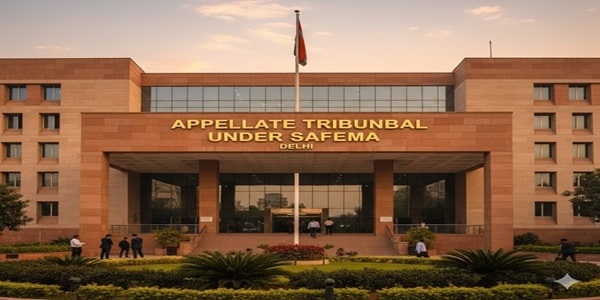
The dispute concerned whether reimbursements from an associated enterprise justified a transfer pricing adjustment using the profit split method. The Tribunal set aside the adjustment, directing a fresh FAR analysis before determining ALP.
Appeals were dismissed earlier as time-barred despite sustained efforts by the assessee through grievances. The Tribunal ruled that absence of negligence and bona fide conduct warranted condonation of long delay.
The Tribunal rejected estimated additions based on alleged circular trading due to lack of seized material or cash trail. The key takeaway is that suspicion and presumptions cannot replace evidence in search assessments.
The court ruled that genuine purchasers cannot lose ITC because a supplier failed to deposit GST. Section 16(2)(c) must be applied only to fraudulent or collusive cases.
ITAT Hyderabad held that notices under Section 148 issued on 01.04.2021 without following mandatory Section 148A procedures are invalid. The Tribunal quashed reassessment orders, emphasizing that procedural compliance is jurisdictional and essential.
The court held that reopening beyond the permissible period was invalid where full disclosures were made and no new material emerged. Reassessment based solely on existing records was ruled time-barred.
The Tribunal held that earning income as a percentage of hospital turnover is commercial, not charitable. Section 80G approval was rightly denied for lack of genuine charitable application.
The High Court quashed a reassessment for A.Y. 2015–16 where the Section 148 notice was issued after 1 April 2021. Relying on the Revenue’s binding concession before the Supreme Court, all consequential actions were set aside.
The Supreme Court ruled that departmental proceedings initiated after superannuation were invalid due to absence of an enabling provision in service regulations. The key takeaway is that disciplinary jurisdiction ends at retirement unless expressly preserved by law.
The issue was whether mushroom-growing shelves could be classified based on their agricultural end use. The Court held that end use is irrelevant unless the tariff heading expressly permits it. Classification must follow the condition and nature of goods at the time of import.