The application was rejected only on limitation without examining merits. The Tribunal ruled that bona fide delay must be condoned and eligibility under section 80G(5) examined afresh.
ITAT Delhi held that Final Assessment Order passed u/s 143(3) r.w.s. 144C(13) passed beyond time limit prescribed under section 153 of the Income Tax Act is barred by limitation. Accordingly, Final Assessment Order is liable to be quashed.
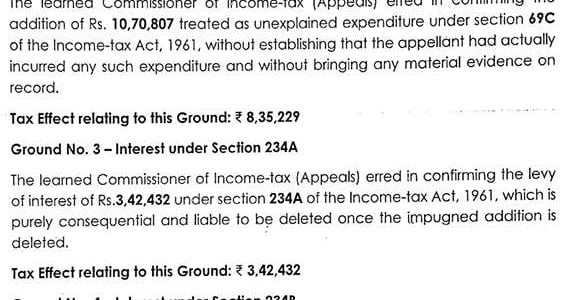
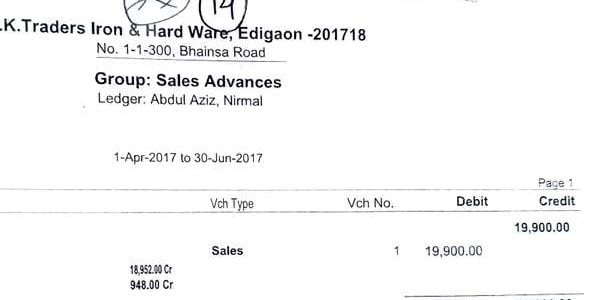
The Revenue relied on ITS data to allege unexplained cash deposits. The Tribunal ruled that where cash books and stock registers are maintained without defects, such additions are unsustainable.
The ITAT held that when reassessment is annulled for jurisdictional defects under the faceless regime, the connected concealment penalty cannot stand.
The issue was whether additions could be made for an unabated year without any seized material. The Tribunal held that in the absence of incriminating evidence found during search, the assessment under section 153A was invalid and liable to be quashed.
The Tribunal held that overseas shares acquired from reinvested dividends cannot be taxed as undisclosed assets when the source is known and accepted. Mere omission of dividend income does not trigger the Black Money Act’s harsh provisions.
The issue was whether revision under Section 263 was valid when the AO allowed Section 80P deduction after enquiry. The tribunal held that a plausible and correct view cannot be revised.
The case examined whether customer advances reported in service tax returns constituted taxable revenue. The Tribunal ruled that revenue accrues only on execution of conveyance deeds, and advances cannot be treated as under-reported turnover.
The issue was whether final assessment orders passed under the DRP route exceeded statutory time limits. The tribunal held that assessments beyond Section 144C read with Section 153 are void for limitation.
The dispute concerned the correct terminal point for computing six assessment years under section 153C. The Tribunal held that using the search date instead of the satisfaction date vitiated the entire assessment.