
Type: Judiciary
Read latest judgments, orders and case laws from Supreme Court, High Courts, tribunals and appellate authorities on tax, corporate and commercial laws.




Unexplained GST Defaults Bar Writ Relief Against Registration Cancellation: Rajasthan HC
Writ Cannot Revive GST Appeal Barred by Statutory Limitation: Rajasthan HC
Belated GST Revocation Challenge Rejected; Fresh Registration Permitted: Rajasthan HC
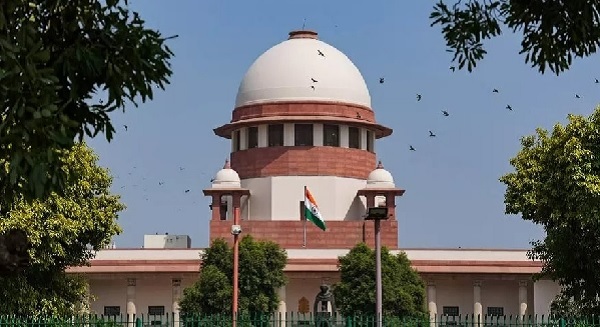
Three-Month GST Appeal Delay Cannot Be Condoned Beyond Section 107(4): SC
Accountant Lapse Justifies Condonation of 452-Day GST Appeal Delay: Rajasthan HC
Medical & Family Circumstances Justify Condonation of GST Appeal Delay: Rajasthan HC
Father’s Serious Illness Justifies Condonation of GST Appeal Delay: Rajasthan HC
Delayed GST Cancellation Appeal Must Be Decided on Merits: Rajasthan HC
Belated GSTR-3B Cannot Revive Expired GST Appellate Remedy: Rajasthan HC
Maharashtra AAR Rejects GST Registration Query Concerning Other States
IGST Refund Mismatch Query Non-Maintainable: Maharashtra AAR
Judiciary is TaxGuru’s extensive collection of judgments, orders and case-law analysis concerning taxation, corporate, commercial and regulatory laws. The archive includes decisions of the Supreme Court, High Courts, ITAT, CESTAT, GST appellate forums, NCLT, NCLAT and other judicial or quasi-judicial authorities covered by TaxGuru. Readers can research decisions involving Income Tax, GST, Customs, Company Law, insolvency, FEMA, SEBI and other legal subjects. Chartered Accountants, advocates, tax professionals, companies and researchers can use this category to follow judicial developments, locate relevant precedents and understand important legal principles emerging from courts and tribunals.

