The Court held that once a resolution plan is approved, prior tax liabilities stand extinguished. Reassessment under Section 148 was therefore unsustainable.
The High Court held that once a resolution plan under IBC extinguishes prior tax liabilities, reassessment cannot be initiated. The notice under Section 148 was set aside. The ruling confirms that extinguished claims cannot be revived through reassessment.
ITAT held that reassessment notice issued after three years without PCCIT approval violates Section 151(ii). The approval taken from PCIT was found insufficient. The ruling confirms that proper authority approval is mandatory for valid reassessment.
ITAT upheld deletion of penalty as the exemption issue was pending before the High Court. The assessee had filed an undertaking under Section 158A. The ruling highlights that penalty cannot be sustained when the core issue is yet to be finally adjudicated.
ITAT remanded the case as authorities failed to determine whether the assessee was a society, trust, or other entity. The eligibility for deduction was not properly examined. The ruling highlights the need for factual verification before denying tax benefits.
The Tribunal held that the assessee failed to substantiate the source of cash deposits during demonetization. Mere disclosure in books was insufficient without proof of genuineness and credibility.
The Tribunal held that the assessee could not deduct tax due to binding interim directions of the High Court. As a result, it could not be treated as an assessee in default under Section 201.
The tribunal held that issuing a show cause notice was invalid where tax liability was already declared in returns. The demand and penalties were set aside as proceedings lacked legal basis.
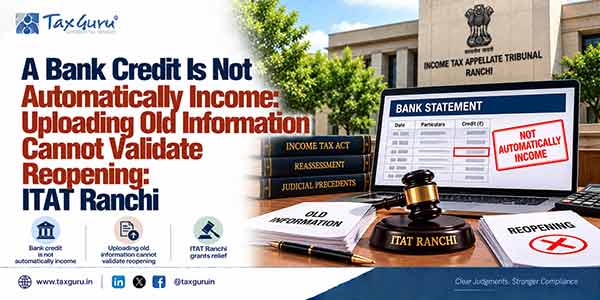
The Tribunal rejected reopening based on common reasons for multiple years without year-specific justification. The absence of relevant material for AY 2010–11 led to quashing of reassessment. The ruling stresses precision in reopening proceedings.
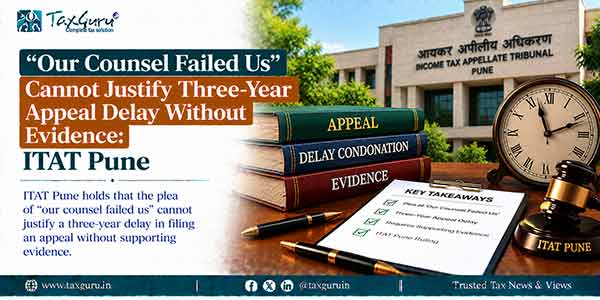
The Court held that delay caused by reliance on a consultant and personal hardship constitutes sufficient cause. It restored the appeal to ensure adjudication on merits.