

Corrected of long-pending inverted duty structure for the manmade textile sector by reducing GST rate on manmade fibre from 18% to 5% and manmade yarn from 12% to 5%. However, some industries may face inversion of ITC which leads to IDS impact. Because of some inputs are still taxed at higher rate.
When it comes to geotextiles and agro-Textiles these industries may suffer deeper inversion of input tax credits which leads inverted duty structure scenario as these primarily use plastic components such as polyethylene and polypropylene.
Introduction to agro textiles
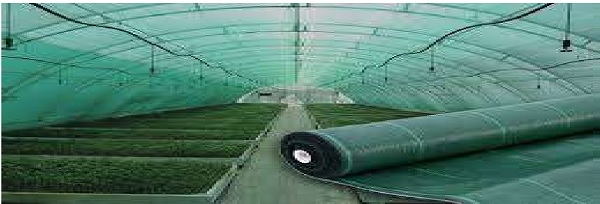
Agricultural and textiles are the most important industries in India. They are inter- linked with each other. Like every other field even in agricultural, farming, marine and forestry use textiles either in the form of Fiber, yarn or fabric. Decrease in the availability of resources such as land, water, energy and increase in population pressure along with high standard of living and pollution has resulted in the use of agro textiles. It can control climate, ecological degradation, and result in efficient use of water, reduce use of pest control chemical, save energy and can even improve production quality. Some of the technical textile products covered under Agro tech is shade-nets, mulch-mats, crop-covers, anti-hail nets, bird protection nets and fishing nets.
Introduction to Geo textiles
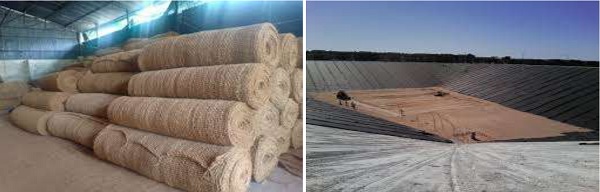
The term Geotech is new to the field of textiles. It is known to the industry only for the last 20 years. But as per the reviews the term is new unlike its usage which dates back to the 17th century where in jute fabrics were used to withhold sand from flood water. The development of geo textiles has always been an ‘industry-led’ science. Geo textiles are manufactured fabrics that are used to withstand and/or support the environment of the earth and its movement’s earth like floods, earthquakes such that the damage caused to life and asses is minimum or zero percent. Geo textiles are particularly referring to porous synthetic woven or non-woven material. These fabrics are specifically engineering material to suit a particular application.
Technical textiles such as geotextiles and agro- textiles are classified as textiles and not plastics by virtue of the Harmonised System of Nomenclature of World Customs Organisation adopted by India. While inversion may deepen, under GST, refund of accumulated credit on account of inverted duty is available.
Computation of Refund in case of Inverted Duty Structure
(b) In the case of refund on account of inverted duty structure, refund shall be granted as per the following formula –
Maximum Refund Amount = {(Turnover of inverted rated supply of goods and services) x Net ITC ÷ Adjusted Total Turnover} – {tax payable on such inverted rated supply of goods and services x (Net ITC ÷ ITC availed on inputs and input services)}
Therefore, accumulated input tax credit gets neutralised by way of refund. The process reform will ensure expedited sanction of the refunds.
Recommendations for Trade/Business
1. Recheck your HS Codes – Look at your invoice items because different treatment can change rate.
2. Update your GST Returns – Ensure from the date the rate change became applicable.
3. Analyse your ITC vs output tax
4. Analyse ITC accumulation post rate changes to identify possible IDS impacts early.
5. Proactively file IDS refund claims to avoid working capital blockages.

Author Bio



Please reach out if you have any questions @venkateshm33@gmail.com