
Courts: Karnataka High Court
Find latest Karnataka High Court judgments, orders and case laws on Income Tax, GST, Customs, Company Law, IBC and other tax and commercial matters.

Karnataka HC: Section 271(1)(c) Penalty Reconsideration Ordered After Assessment Revival

Karnataka HC: ITAT Appeal Lies Where AO Passed Assessment Order, Assessee’s Location Irrelevant
Finance Act 2010 Retrospective Tax Amendment Read Down for Offshore Services: Karnataka HC
Karnataka HC Quashes Ground Rent, Scrutiny Fee, Security Deposit for Building Plan Sanction
EDCT Rental Charges Taxable as Transfer of Right to Use: Karnataka HC
Karnataka HC Quashes Tax Stay Order for Unreasoned 10% Deposit Requirement
Karnataka HC Orders ₹36.64 Lakh Security Deposit Refund as GST ITC Loss Was Unproved
Karnataka HC Bars Section 69B Jewellery Addition in AY 2011-12 for Search in AY 2012-13
Aria Brew and Dine Vs Century Corbel: Karnataka HC Upholds Lease Dues & Vacating Order
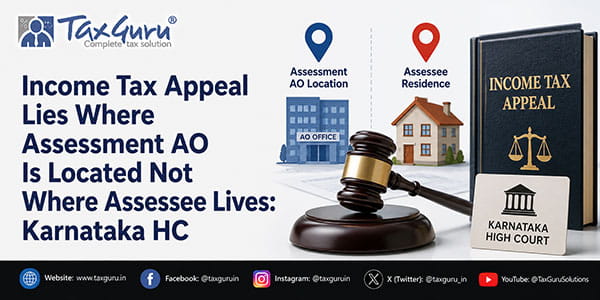
Income Tax Appeal Lies Where Assessment AO Is Located Not Where Assessee Lives: Karnataka HC
Karnataka HC Allows Section 54F Exemption Despite Incomplete Construction
Karnataka HC: Death of Partner Dissolves Firm; Legal Heirs Cannot Become Partners Automatically
Karnataka HC Sets Aside Faceless Assessment for Inadequate Show-Cause Notice Time
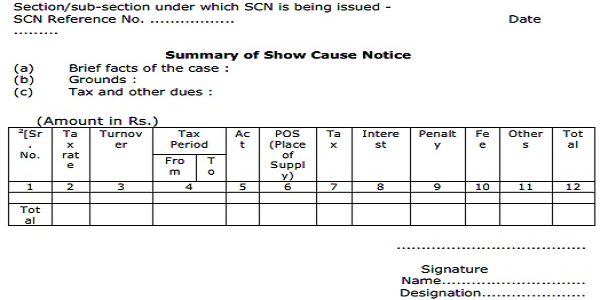
Karnataka HC Allows Consolidated GST Show Cause Notices for Multiple Years
Karnataka High Court judgments and orders form an important source of judicial precedent on taxation, corporate and commercial law. This TaxGuru page brings together Karnataka High Court case laws concerning Income Tax, GST, Customs, Company Law, insolvency, reassessment, deductions, tax demands, penalties and other legal disputes. Companies, taxpayers, Chartered Accountants, advocates and professionals can use this collection to research relevant judgments and follow developments affecting tax and business law. TaxGuru publishes recent and significant earlier Karnataka High Court decisions with case summaries and analysis of important legal principles. The dedicated category helps readers conveniently locate decisions and research taxation, corporate, commercial and regulatory issues considered by the Karnataka High Court.

