
Courts: CESTAT Kolkata
Find latest CESTAT Kolkata judgments and orders on Customs, Central Excise and Service Tax covering classification, valuation, exemptions, CENVAT credit, refunds, demands and penalties.

CESTAT Kolkata Upholds Royalty Duty for Normal Period, Sets Aside Extended Demand and SED Duty

CESTAT Kolkata Sets Aside Service Tax Demand on Railway Siding Construction
CESTAT Allows Service Tax Exemption for Private Railway Infrastructure Works
Fly Ash Transportation Services Eligible for CENVAT Credit: CESTAT Kolkata
CENVAT Credit Allowed on Outward Freight Before 1 April 2008: CESTAT Kolkata
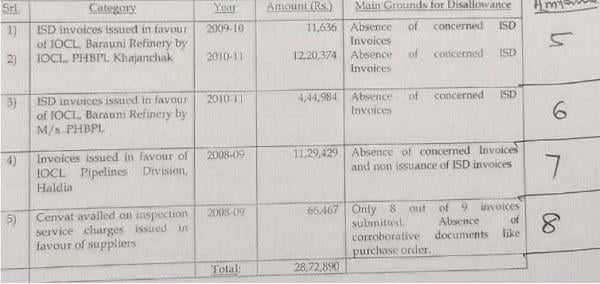
CENVAT Credit Denial Requires Fresh Verification of Supporting Documents: CESTAT Kolkata
CESTAT Kolkata Quashes ₹34.63 Lakh Demand for No Pre-SCN Consultation
CESTAT Kolkata: Form 26AS Difference Cannot Sustain Extended Service Tax Demand
CESTAT Sets Aside ₹1.38 Crore Service Tax Demands on Railway Siding
Philips LCD Monitors Classifiable Under 8528 52 00: CESTAT Kolkata
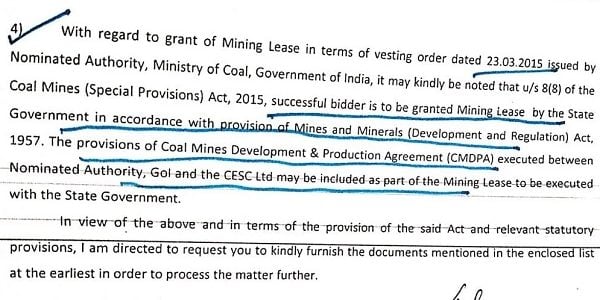
CESTAT Kolkata Sets Aside Service Tax Demand on Pre-2016 Mining Rights
Service Tax on Mining Royalty for Pre-April 2016 Extraction Set Aside: CESTAT Kolkata
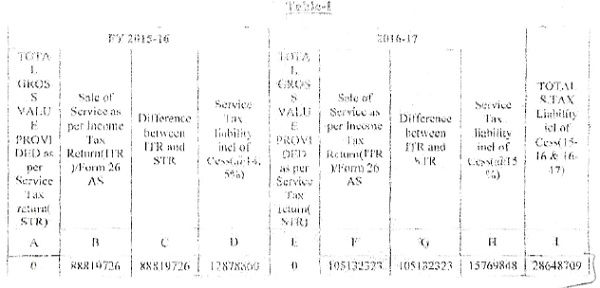
CESTAT Kolkata Sets Aside Service Tax Demand Based Solely on CBDT Data
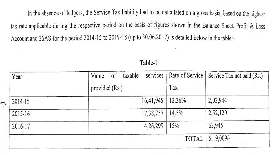
CESTAT Kolkata Quashes Service Tax Demand Based Solely on Form 26AS
CESTAT Kolkata judgments and orders deal with appellate disputes under Customs, Central Excise and Service Tax legislation. This TaxGuru page brings together CESTAT Kolkata case laws concerning customs classification and valuation, imports and exports, exemption notifications, CENVAT credit, refunds, service tax, duty demands, limitation, interest, penalties, confiscation and other indirect tax matters. Importers, exporters, manufacturers, businesses, Chartered Accountants, advocates and tax professionals can use this page to research Tribunal decisions and identify precedents relevant to their disputes. The collection includes current Customs decisions as well as important legacy Central Excise and Service Tax case law that may remain relevant to pending proceedings. TaxGuru maintains this dedicated CESTAT Kolkata category to provide convenient access to recent and earlier Tribunal judgments and to help readers follow developments in Customs and indirect tax litigation.

