
Courts: CESTAT Kolkata
Find latest CESTAT Kolkata judgments and orders on Customs, Central Excise and Service Tax covering classification, valuation, exemptions, CENVAT credit, refunds, demands and penalties.

CESTAT Kolkata Sets Aside Service Tax Demand Based on Form 26AS Data
Refundable loans not service advances; Service Tax demand set aside: CESTAT Kolkata
CESTAT Kolkata Sets Aside Majority Service Tax Demands Against McLeod Russel on Limitation & Revenue Neutrality
CESTAT Kolkata Upholds CENVAT Credit on Inputs Destroyed During Manufacturing Power Outage
CENVAT Credit Cannot Be Denied When Manufacturer’s Invoice Names Assessee as Consignee: CESTAT Kolkata
CESTAT Kolkata Sets Aside Excise Demand on Used Refractory Brick Scrap
Pre-2016 Mining Lease Royalty Not Taxable to Service Tax: CESTAT Kolkata
CESTAT Kolkata Sets Aside Section 78 Penalty on Bona Fide Service Tax Non-Payment
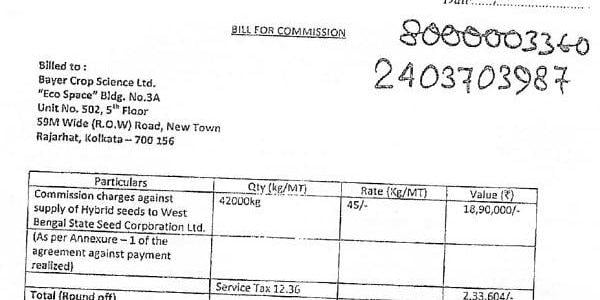
CESTAT Kolkata Orders Service Tax Refund for Agricultural Seed Sale, Rejects Unjust Enrichment Objection
MADA Market Fee Includible in Coal’s Assessable Value: CESTAT Kolkata
CESTAT Kolkata Sets Aside Delayed Coal Duty Demands, Sustains Royalty Liability
CESTAT Kolkata sets aside 20 delayed coal duty demands; royalty upheld, SED quashed
CHA Cannot Be Penalised for Importer’s Misdeclaration Without Corroborative Evidence: CESTAT Kolkata
CESTAT Kolkata Quashes Customs Section 112(a) Penalty After Principal Import Proceedings Fail
CESTAT Kolkata judgments and orders deal with appellate disputes under Customs, Central Excise and Service Tax legislation. This TaxGuru page brings together CESTAT Kolkata case laws concerning customs classification and valuation, imports and exports, exemption notifications, CENVAT credit, refunds, service tax, duty demands, limitation, interest, penalties, confiscation and other indirect tax matters. Importers, exporters, manufacturers, businesses, Chartered Accountants, advocates and tax professionals can use this page to research Tribunal decisions and identify precedents relevant to their disputes. The collection includes current Customs decisions as well as important legacy Central Excise and Service Tax case law that may remain relevant to pending proceedings. TaxGuru maintains this dedicated CESTAT Kolkata category to provide convenient access to recent and earlier Tribunal judgments and to help readers follow developments in Customs and indirect tax litigation.

