
Courts: Allahabad High Court
Find latest Allahabad High Court judgments, orders and case laws on Income Tax, GST, Company Law, Customs and other tax, business and legal matters.

Ex Parte GST Adjudication Invalid for Failure to Grant Hearing: Allahabad HC
GST Adjudication Upheld as Proper Officer Was Validly Empowered
Customs Act: Allahabad HC Says Cross-Examination Not Automatic, Must Be Requested
Allahabad HC Quashed GST Demand for Exceeding Show-Cause Notice Limit
Allahabad HC Disposed Writ as GST Appellate Tribunal Becomes Functional
Allahabad HC Closed Writ Petition as GST Appellate Tribunal Becomes Functional
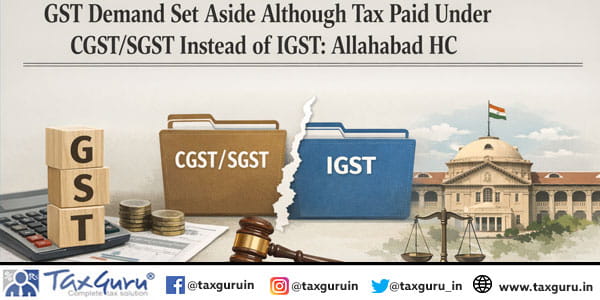
GST Demand Set Aside although Tax Paid Under CGST/SGST Instead of IGST: Allahabad HC
Section 143(2) – Validity in Set-Aside Reassessment Proceedings and Effect of Non-Verification of Return of Income
Allahabad HC Quashed GST Demand for Being Issued Against a Deceased Person
GST Order Invalid Where Final Demand Exceeded Proposed Amount: Allahabad HC
Allahabad HC Rejected GST Vehicle Seizure Challenge Due to Alternate Remedy

Bank cannot unilaterally reduce interest rate agreed in a fixed deposit during its tenure
Allahabad HC Upheld Section 74 GST Notice Due to Prima Facie Satisfaction of Fraud
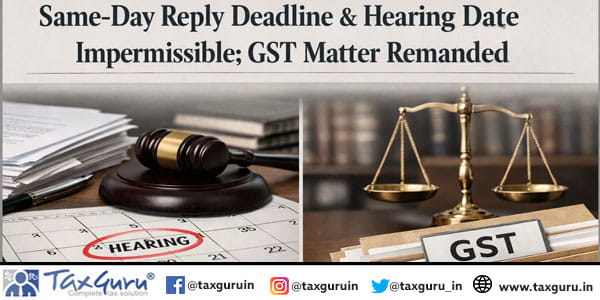
Same-Day Reply Deadline & Hearing Date Impermissible; GST Matter Remanded
Allahabad High Court judgments and orders cover a wide range of constitutional, taxation, commercial and other legal disputes. This TaxGuru page brings together Allahabad High Court case laws on Income Tax, GST, Customs, Company Law, insolvency, recovery, penalties, reassessment, writ proceedings and other matters relevant to taxpayers, businesses and professionals. Chartered Accountants, advocates, tax professionals, companies and other readers can use this page to research important rulings and understand the legal principles considered by the Court. The collection includes recent as well as significant earlier Allahabad High Court decisions published on TaxGuru. Case summaries and analysis help readers identify the issues, findings and implications of important judgments while providing access to developments in tax and commercial jurisprudence before the Allahabad High Court.

